

The Best Places for Hormone Balancing in Ohio
Why So Many Ohio Adults Are Searching for Hormone Balancing
If you're looking for hormone balancing in Ohio, finding the right provider is key to reclaiming your vitality. Choosing a partner that offers personalized, root-cause care—rather than a one-size-fits-all approach—is essential for long-term success.
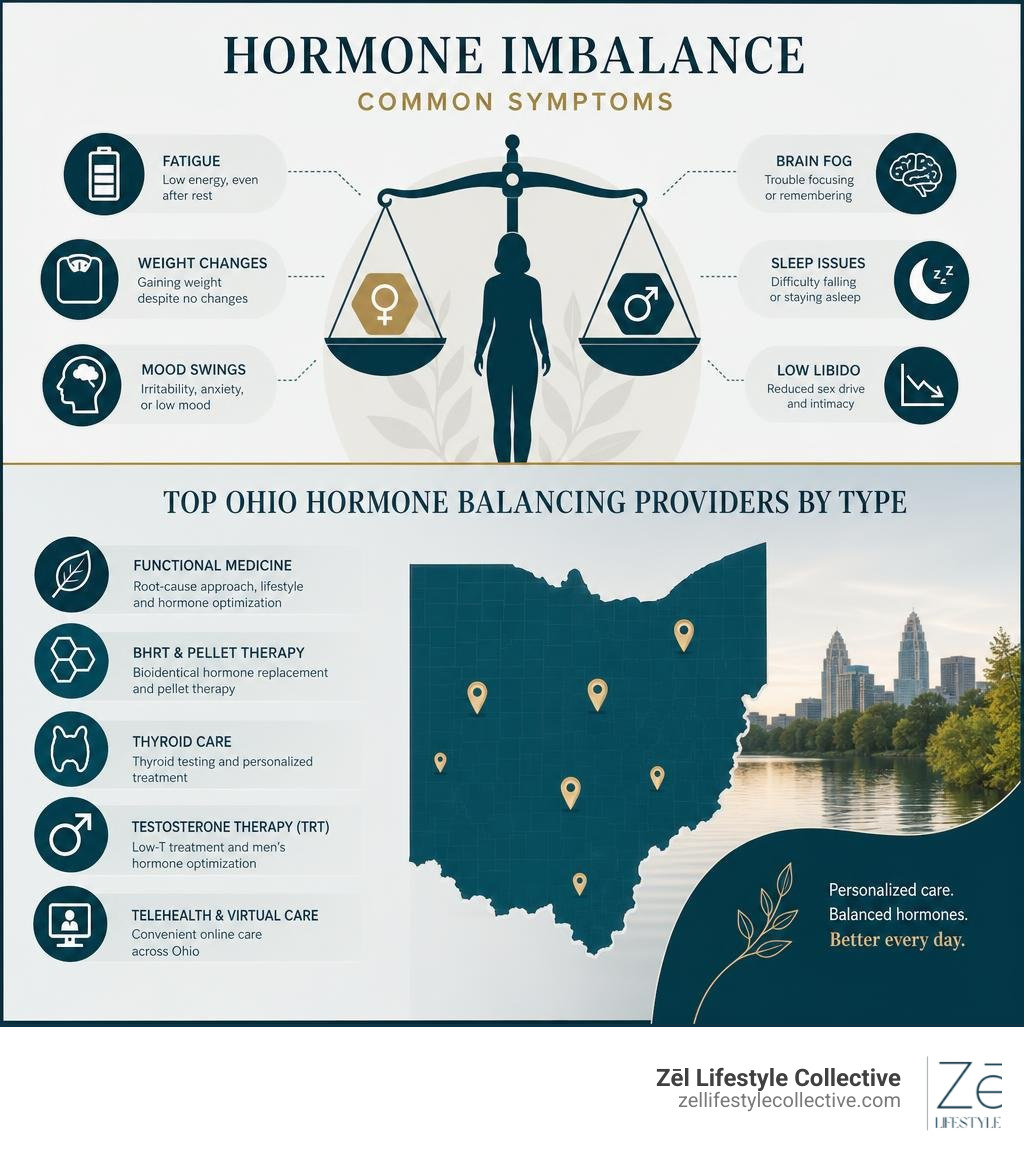
Something feels off. You're exhausted despite sleeping eight hours. You're gaining weight even though you haven't changed your diet. Your mood swings without warning, and your focus has slipped. For millions of adults across Ohio, these aren't random complaints — they're signs that hormones may be out of balance.
Hormones control nearly everything: energy, metabolism, mood, sleep, sex drive, and stress response. When they shift — as they naturally do during perimenopause, menopause, andropause, or chronic stress — the effects ripple through every part of daily life. Yet many people are told their labs are "normal" and sent home without answers.
The good news? Ohio has a growing number of clinics and providers specializing in personalized hormone optimization, from bioidentical hormone replacement therapy (BHRT) to pellet therapy, functional medicine, and beyond. This guide breaks down the best options so you can find the right fit for your goals and health history.
I'm Dr. Serif Krkic, co-founder of Zēl Lifestyle Collective and a longevity-focused physician specializing in functional medicine and hormone optimization — and I've helped many patients across Ohio reclaim their energy and vitality through personalized hormone balancing in Ohio. Let's walk through what's available and how to choose wisely.
Understanding Hormone Optimization and Its Impact on Health
To understand why hormone balancing Ohio residents seek out is so transformative, we first have to look at how these chemical messengers dictate our daily experiences.
When we talk about hormonal transitions, we often think of menopause. While menopause is a major milestone representing the end of a woman’s reproductive years, the transition begins much earlier during perimenopause. Starting as early as a woman's mid-30s or early 40s, estrogen and progesterone levels begin to fluctuate wildly. These fluctuations trigger symptoms like night sweats, hot flashes, brain fog, and unexpected weight resistance.
Men experience their own hormonal shift known as andropause (or "male menopause"). Testosterone production declines gradually—usually about 1% per year after age 30. This decline can manifest as a loss of muscle mass, decreased libido, mental fatigue, and a general lack of motivation or drive.
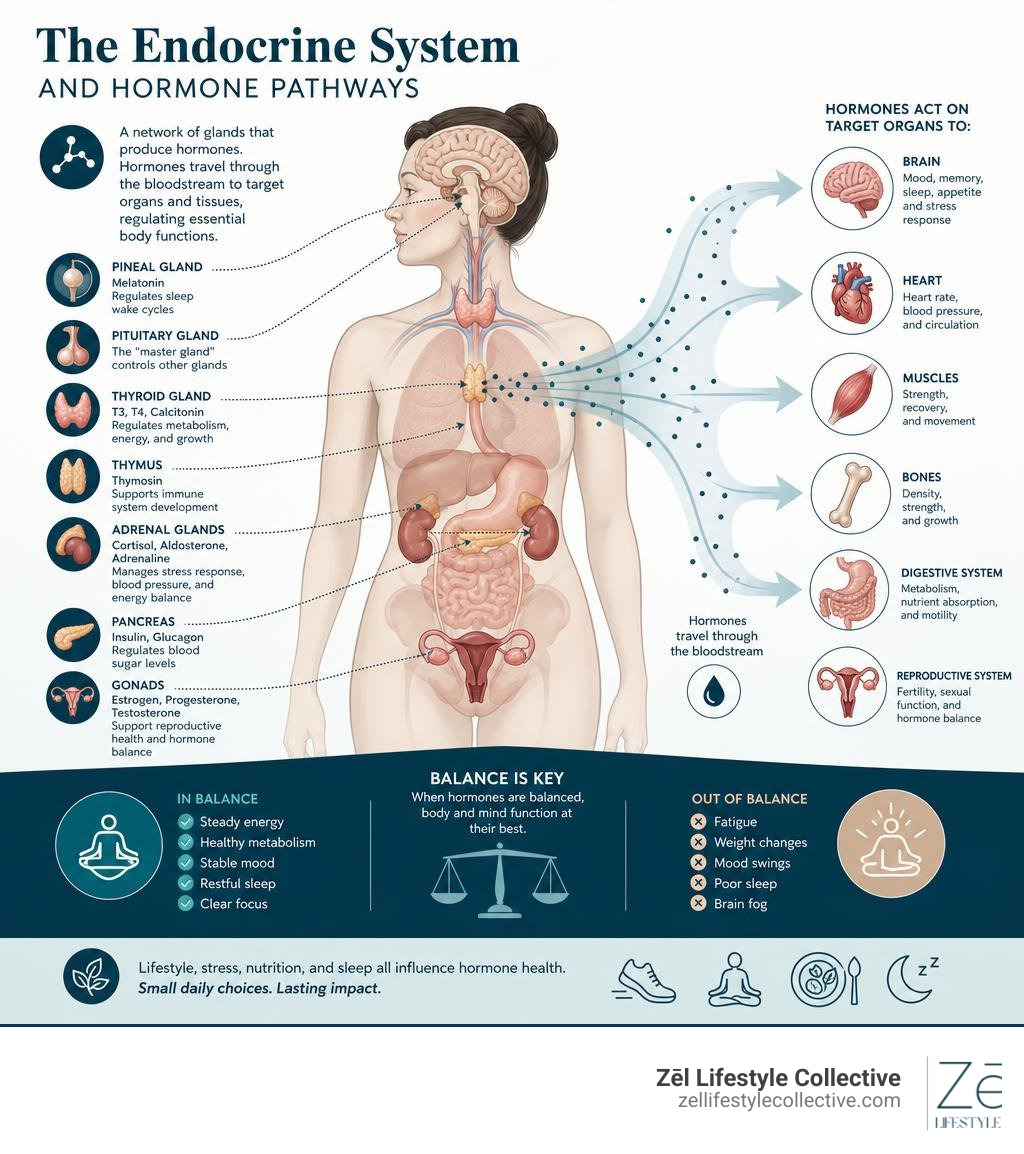
These changes explain Why Weight Loss Gets Harder After 40. When your hormones—specifically thyroid, estrogen, progesterone, and testosterone—drop or fall out of alignment, your metabolic rate slows down. You can eat the exact same diet and follow the same workout routine you did in your 20s, yet still watch the scale creep upward.
Furthermore, hormonal exhaustion directly impacts your daily stamina. If you find yourself reaching for a third cup of coffee by 2:00 PM, it is important to remember that Chronic Fatigue Is Not Normal. It is often a biological cry for help from your adrenal glands or thyroid. To learn more about how true alignment differs from merely treating symptoms, read our deep dive on The Truth About Hormone Optimization.
Types of Hormone Replacement Therapy Available in Ohio
If you are exploring hormone balancing Ohio clinics, you will encounter two primary categories of therapy: traditional Hormone Replacement Therapy (HRT) and Bioidentical Hormone Replacement Therapy (BHRT).
Traditional HRT typically utilizes synthetic hormones (such as conjugated equine estrogens and synthetic progestins). These synthetic molecules differ slightly in chemical structure from the hormones your body naturally produces.
BHRT uses bioidentical hormones derived from plant sources (like wild yams or soy) that are chemically and molecularly identical to the hormones produced by the human body. Because your body recognizes these molecules as identical to its own, they are often processed more naturally, which can result in fewer unwanted side effects.
There are several methods used to deliver these hormones, each with its own set of advantages:
Delivery Method Description Pros Cons Pellet Therapy Tiny, rice-sized implants inserted under the skin (usually in the hip/buttock area) Consistent hormone levels, no daily dosing, lasts 3–6 months Requires a quick in-office procedure, cannot be easily removed once inserted Topical Creams/Gels Applied daily to the skin (arms, thighs, or wrists) Easy to adjust doses, non-invasive Risk of transferring hormone to partners/pets, must be applied daily Injections Intramuscular or subcutaneous injections (often used for testosterone) Highly customizable dosing, fast-acting Requires needles, can cause "peaks and valleys" in hormone levels Oral Medications Capsules or pills taken daily (common for progesterone) Simple to take, widely available Must pass through the liver, which can alter absorption and increase certain risks
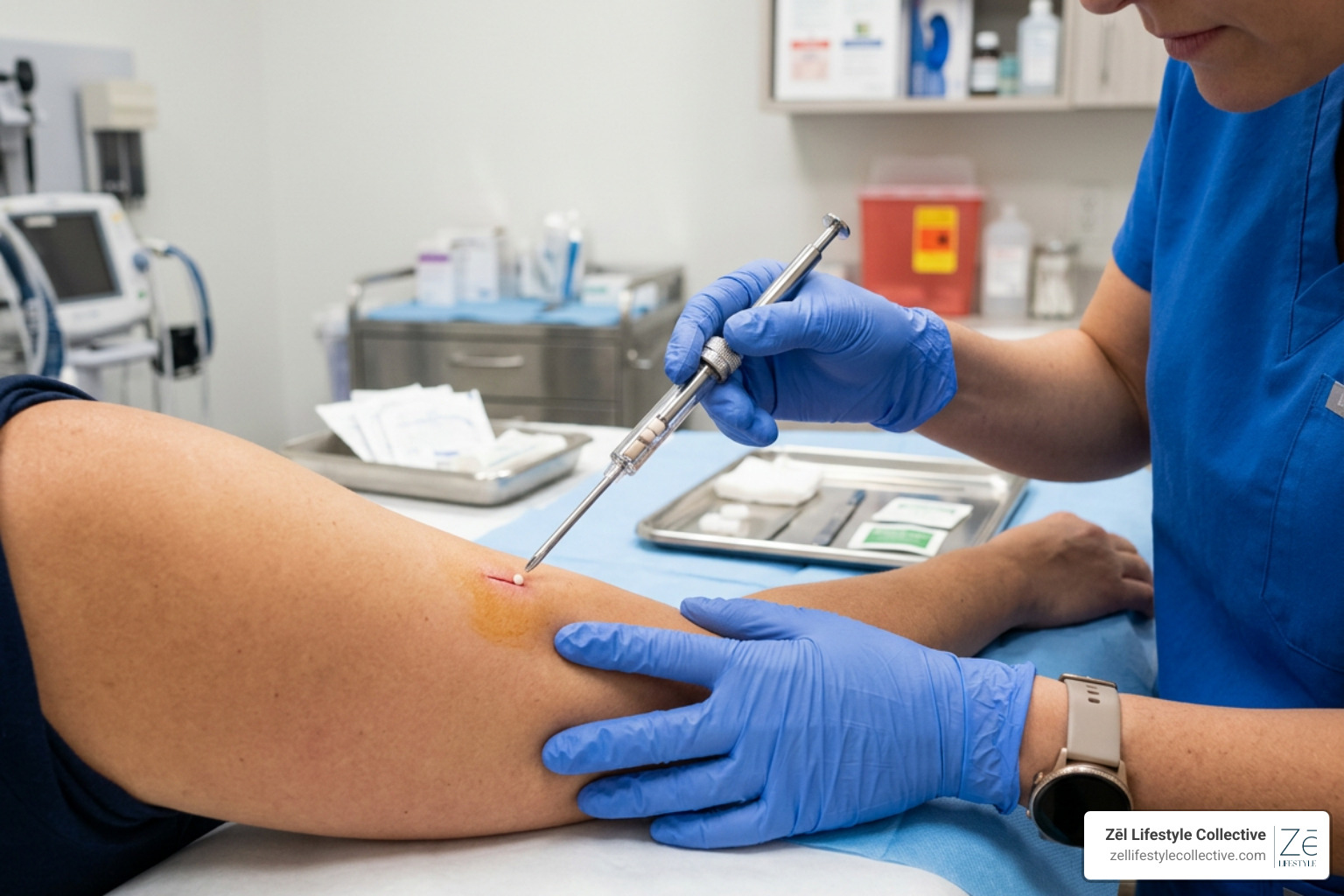
Among these options, subcutaneous pellet therapy is highly regarded for its convenience and stability. Testosterone pellet therapy has been utilized for over 80 years and is backed by extensive clinical research. Unlike creams or injections, which can cause daily emotional and physical "rollercoasters," pellets release a steady, consistent flow of hormones into your bloodstream based on your cardiac output.
In addition to convenience, research supports the safety profile of bioidentical pellet therapy. For example, a 15-year prospective cohort study found that women treated with testosterone implants actually had a lower incidence of invasive breast cancer compared to the expected rates in the general population. Multiple clinical studies have also shown that subcutaneous testosterone implants significantly improve symptoms measured by the validated Menopause Rating Scale (MRS), including hot flashes, sleep issues, and low libido.
This stands in contrast to older findings. The famous 2002 Women’s Health Initiative (WHI) study reported a 26% increase in breast cancer risk for women undergoing traditional, synthetic HRT (specifically combining synthetic estrogen and progestin). Modern clinical consensus has re-evaluated these findings, noting that the risks associated with synthetic hormones do not automatically apply to personalized, bioidentical hormone therapies.
For Ohio residents looking at investment costs, female pellet procedures typically average around $375 per treatment (lasting 3 to 4 months), while male pellet procedures average around $700 (lasting 5 to 6 months).
Choosing the Right Provider for Hormone Balancing Ohio
Finding the right clinical partner is the most critical step on your wellness journey. You want a provider who views you as an individual, rather than a collection of symptoms on a checklist.

Why Hormone Balancing Ohio Residents Trust Focuses on Root Causes
A high-quality clinic will never hand you a prescription after a five-minute conversation. True hormone optimization requires a comprehensive, labs-first approach.
Standard medical practitioners often look only at "normal" laboratory reference ranges. These broad ranges are designed to catch severe diseases, not to identify optimal levels for vitality. For instance, a testosterone level of 250 ng/dL in a male patient might be flagged as "normal" by a standard lab, but it can leave that individual feeling completely drained, unfocused, and exhausted.
To get a complete picture, we utilize Functional Lab Testing. This advanced testing evaluates free and total hormone levels, thyroid panels, adrenal function, and metabolic markers. If you are in the Tallmadge area, you can easily access convenient local blood draws, such as those offered at Blood Tests in Tallmadge, OH | 2 Lab Locations - Rite Aid , to complete your initial panels.
By looking at these deep biomarkers, we can build a personalized treatment plan tailored to your specific physiology. This clinical approach is the foundation of Elite Medicine—moving away from reactive care and focusing on proactive, personalized longevity.
Key Factors to Consider for Hormone Balancing Ohio Clinics
When evaluating different clinics across the state, keep these key factors in mind:
Provider Credentials: Look for practitioners certified by reputable organizations, such as the American Academy of Anti-Aging Medicine (A4M).
Comprehensive Monitoring: Your provider should require follow-up lab work (typically at 4 to 6 weeks after starting therapy) to monitor your systemic response and make precise adjustments.
Telehealth and In-Person Flexibility: Depending on your location, you may want a provider who offers virtual follow-ups alongside in-person clinical visits. If you are exploring regional options, look for clinics that offer comprehensive telehealth services and personalized care plans tailored to your lifestyle.
Natural and Functional Medicine Approaches to Hormone Health
While BHRT is an incredibly powerful tool, it is not a magic wand that works in isolation. Your endocrine system is highly sensitive to your diet, stress levels, sleep hygiene, and gut health.
At Zēl Lifestyle Collective, our approach is rooted in Functional Medicine. We believe in addressing the whole person. To understand how this style of care differs from conventional symptom management, check out our Functional Medicine Clinic Complete Guide.
To support your hormone therapy or lay a healthy foundation before starting BHRT, we recommend focusing on these key areas:
Anti-Inflammatory Nutrition: What you eat provides the building blocks for your hormones. Working with an expert in Integrative Nutrition Health Coaching can help you design a sustainable, nutrient-dense diet rich in healthy fats (like avocados, olive oil, and wild-caught fish) which are essential for hormone production.
Gut Health and Detoxification: If your gut is compromised, your body cannot properly break down and eliminate excess hormones. This can lead to a condition known as estrogen dominance. If you struggle with chronic digestive issues, finding out Why You Are Always Bloated is often the first step to balancing your hormones naturally.
Stress Management: High levels of stress trigger the release of cortisol. Over time, chronic cortisol elevation can "steal" the raw materials your body needs to produce progesterone and testosterone. Incorporating professional Stress Management Coaching can help you lower your stress response and protect your endocrine system.
Targeted Supplementation: High-quality Nutraceuticals and Supplements can help bridge nutrient gaps and support your body's natural pathways. We often recommend clinical-grade Nutraceuticals to optimize liver detoxification, thyroid conversion, and adrenal function.
Metabolic Support: For those struggling with stubborn weight gain, integrating a structured Sustainable Weight Loss Plan or a comprehensive Metabolic Weight Loss Complete Guide can help restore insulin sensitivity, which is crucial for overall hormone balance. Autoimmune Symptoms Are Not Random; they are deeply connected to systemic inflammation and hormonal disruption.
Frequently Asked Questions about Hormone Therapy
What is the difference between BHRT and traditional HRT?
Bioidentical Hormone Replacement Therapy (BHRT) uses hormones that are chemically identical to the ones your body naturally produces, matching them molecule-for-molecule. Traditional HRT often uses synthetic or animal-derived hormones that differ slightly in structure, which can sometimes lead to more side effects and different safety profiles.
How long does it take to see results from hormone balancing?
While individual timelines vary, many patients report improvements in sleep quality, mood, and energy levels within the first 2 to 4 weeks of starting therapy. Deeper physical changes, such as improvements in body composition, muscle tone, and libido, typically manifest within 3 to 6 months of consistent treatment.
Are there risks associated with testosterone pellet therapy?
Like any clinical procedure, pellet therapy carries minor risks, including local swelling, bruising, or infection at the insertion site. Some patients may experience temporary side effects like mild acne or changes in hair growth as their bodies adjust. However, regular monitoring and precise dosing based on comprehensive lab work help minimize these risks.
Conclusion
Hormone imbalance is not an inevitable consequence of aging that you simply have to accept. Whether you are dealing with the frustrating symptoms of perimenopause, struggling with low energy and focus, or trying to overcome metabolic resistance, personalized hormone optimization can help you feel like yourself again.
At Zēl Lifestyle Collective in Tallmadge, Ohio, we are dedicated to helping you achieve vibrant, long-term health. We offer comprehensive, root-cause treatments, including our signature Zel Lifestyle Vitality 360 program, which combines advanced functional lab testing, bioidentical hormone therapy, and integrative lifestyle support.
If you are ready to take control of your health and reclaim your vitality, explore our full range of services and schedule your consultation today on our Zēl Lifestyle Collective Services page.