The Great Escape from Scar Tissue Using Cupping
What Is Cupping for Scars — and Does It Actually Work?
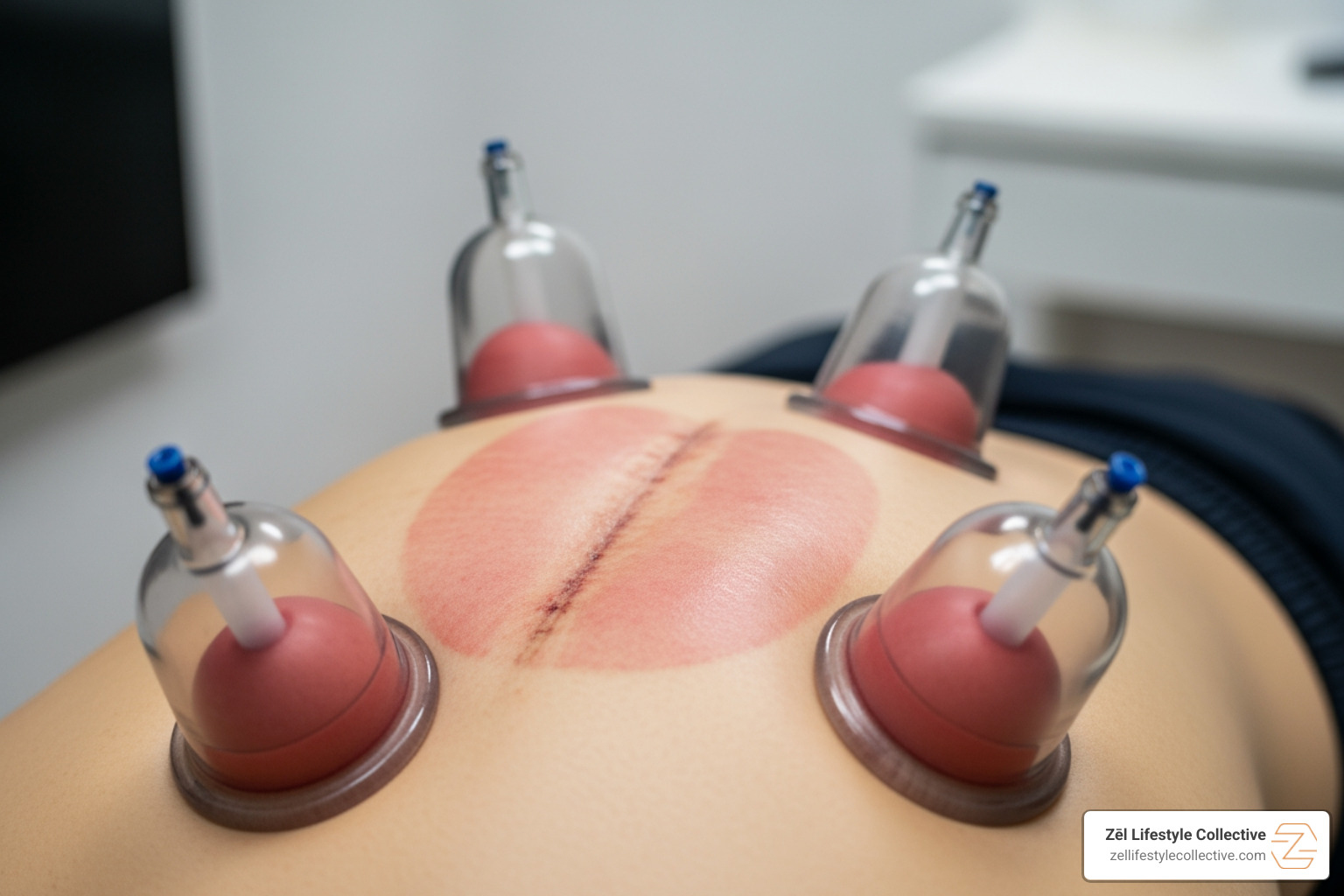
Cupping for scars is a non-invasive therapy that uses suction cups to lift skin and underlying tissue, helping break down scar adhesions, improve circulation, and restore mobility in restricted areas.
Quick answer:
Cupping applies negative pressure to scar tissue, separating layers of skin and fascia that have stuck together
This stimulates blood flow, encourages collagen remodeling, and can reduce pain, stiffness, and visible scar texture
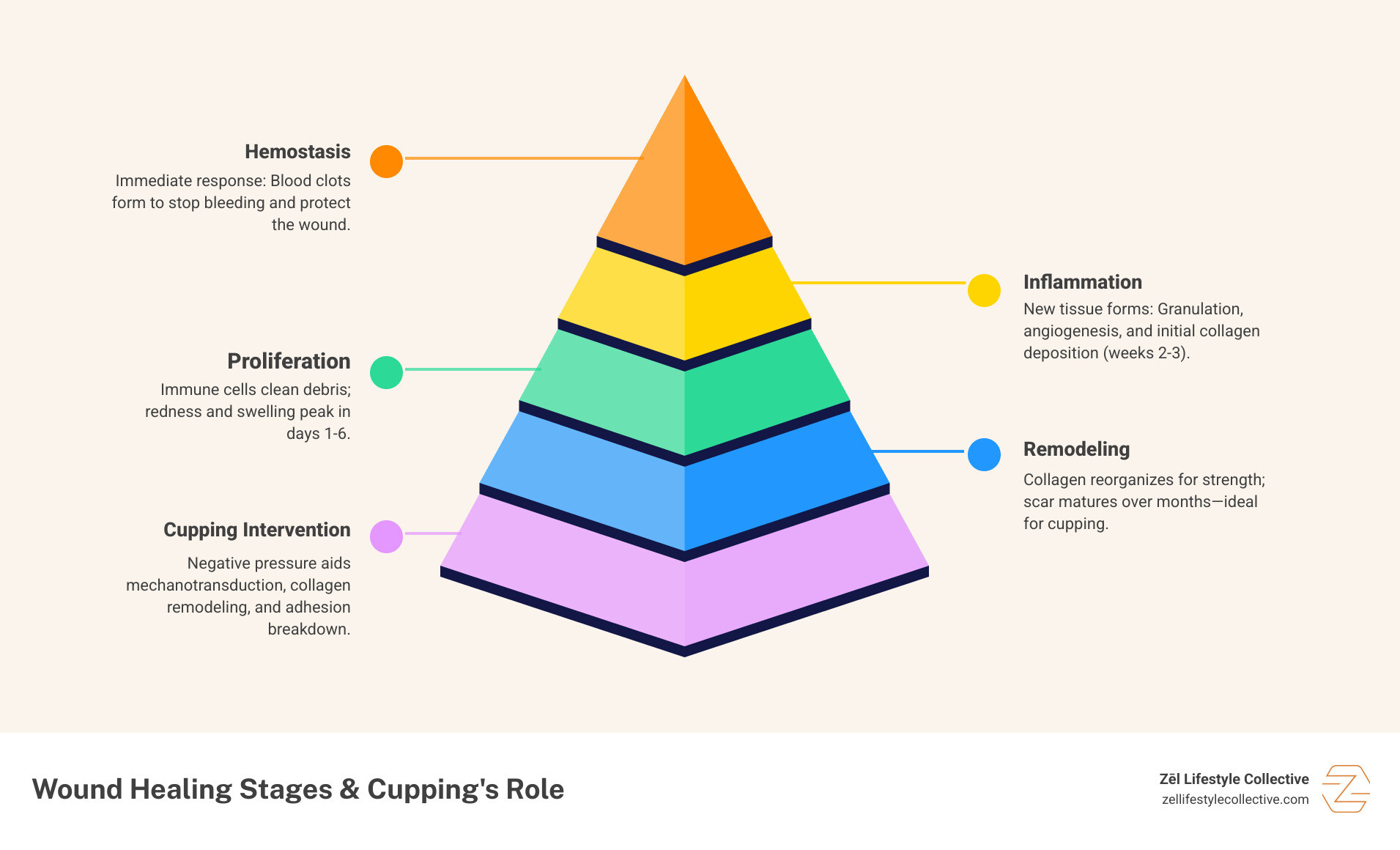
It works best during the remodeling phase of healing — typically 6–12 weeks after surgery or injury
Silicone cups with a gliding technique are the most common approach for scar tissue
It cannot erase a scar completely, but consistent sessions can significantly soften, flatten, and fade it
Most people assume that once a wound closes, healing is done. It isn't.
Beneath the surface, scar tissue is forming — dense, disorganized collagen that lacks the elasticity and blood supply of healthy skin. Over time, that tissue can pull, restrict movement, and cause lingering pain or numbness.
That's where cupping comes in.
Unlike compression-based therapies, cupping decompresses tissue. The suction lifts layers apart rather than pushing them together — which is why it can reach adhesions that massage alone sometimes can't.
The evidence is growing. One clinical study found that after 8 weeks of combined manual scar therapy including cupping, scar structure density dropped nearly in half (from 5.7 to 3.1 on ultrasound), while hydration, skin elasticity, and redness all improved significantly. These aren't just cosmetic wins — they reflect real changes in tissue quality.
And it's not just for surgical scars. Burn survivors, C-section patients, people recovering from mastectomies, and those dealing with radiation fibrosis have all seen meaningful improvements with vacuum-based scar therapy.
I'm Dr. Serif Krkic, chiropractor and co-founder of Zēl Lifestyle Collective, and my work in regenerative and performance medicine has shown me how cupping for scars can be a powerful addition to a root-cause recovery plan. In this guide, I'll walk you through exactly how it works — and how to do it safely.
The Science Behind Cupping for Scars
To understand why cupping works, we have to look at what a scar actually is. When your body heals from an injury, it prioritizes speed over beauty. It throws down collagen fibers in a "cross-hatched" or random pattern, much like a messy pile of straw. This is functionally different from healthy skin, where collagen is neatly organized like a woven fabric.
Cupping therapy utilizes a process called mechanotransduction. This is a fancy way of saying that we are using mechanical force (suction) to send a message to your cells. When the cup lifts the tissue, it signals the body to start remodeling the area.
According to research on Cupping Therapy for Skin Health: Scars & Stretch Marks Evidence, this mechanical tension may even induce apoptosis (programmed cell death) in myofibroblasts—the cells responsible for the excessive "tightness" and contraction often felt in hypertrophic scars. By reducing these cells, we help the scar relax.
At Zēl Lifestyle Collective, we view this as a vital part of cupping therapy because it addresses the extracellular matrix—the "glue" that holds your cells together—allowing it to become more hydrated and pliable.
How Suction Breaks Down Adhesions
Traditional massage uses "compressive" force—pushing down on the tissue. While effective, it can sometimes struggle to separate layers of skin that have become "glued" to the muscle or bone underneath. These "glues" are known as adhesions.
Cupping for scars creates negative pressure. This vacuum effect physically lifts the scar tissue away from the deeper structures. This "lifting" action:
Hydrates the fascia (the connective tissue casing around muscles).
Physically breaks the tiny "bridge" fibers of internal scarring.
Creates space for fresh blood and lymphatic fluid to flow through.
Physiological Effects on Collagen and Circulation
Beyond just moving things around, cupping triggers a biological cascade. Studies show that vacuum-based therapies upregulate MMP-9, an enzyme that helps clean up old, disorganized collagen so that new, more flexible fibers can take their place.
When you see the redness (erythema) after a session, that’s a good sign! It means we are increasing blood perfusion. This brings oxygen and nutrients to a tissue that is notoriously "ischemic"—meaning it usually has very little blood flow. Improved circulation is key to reducing the "itch" (pruritus) and pain associated with healing wounds. As noted in What is cupping? - Strength In Survivorship, this process is essential for turning a "stuck" scar into a functional part of the body.
Which Scars Benefit Most from Vacuum Therapy?
While almost any scar can see some improvement, certain types respond exceptionally well to the negative pressure of cupping.
Hypertrophic Scars: These are raised, red scars that stay within the boundary of the original wound. Cupping helps flatten them by encouraging the collagen to reorganize.
Burn Scars: Burn survivors often deal with massive "contractures" where the skin becomes so tight it limits movement. Vacuum massage was actually popularized in the 1970s specifically to help burn victims regain their range of motion.
Radiation Fibrosis: Radiation can cause the skin to become hard and "woody." Gentle cupping has been shown to improve elasticity and redness in these cases after about 6 months of consistent treatment.
The incidence of keloids and hypertrophic scars ranges from 4.5% to 16% in the general population. For these individuals, Cupping Therapy for Scars can be a game-changer in managing both the look and the physical discomfort of the tissue.
Cupping for Scars After Surgery
Post-operative recovery is one of the most common reasons patients seek us out in Tallmadge. Whether it’s an orthopedic surgery like a knee replacement or a mastectomy, the surgical incision is only the tip of the iceberg.
After a mastectomy or breast reconstruction, for example, patients often experience "axillary web syndrome" (cords of tight tissue in the armpit) or restricted shoulder movement. Cupping helps decompress these areas, allowing for a better range of motion and reducing the "pulling" sensation that often follows surgery. It also supports lymphatic drainage, which is frequently compromised after lymph node removal.
Addressing C-Section and Abdominal Adhesions
C-section scars are a unique challenge. Statistics show that intraabdominal adhesions occur at a 7% rate after one C-section, but that number skyrockets to 68% with repeated cesareans. These internal adhesions can pull on the bladder, affect pelvic floor health, and create a "pouch" or swollen sac at the base of the belly.
Cupping for scars in the abdominal area helps:
Release the "tugging" sensation on the bladder or pelvic organs.
Improve skin elasticity to reduce the appearance of the "C-section shelf."
Break up the deep internal "glue" that can cause chronic pelvic or back pain.
Step-by-Step Guide: How to Perform Cupping for Scars at Home
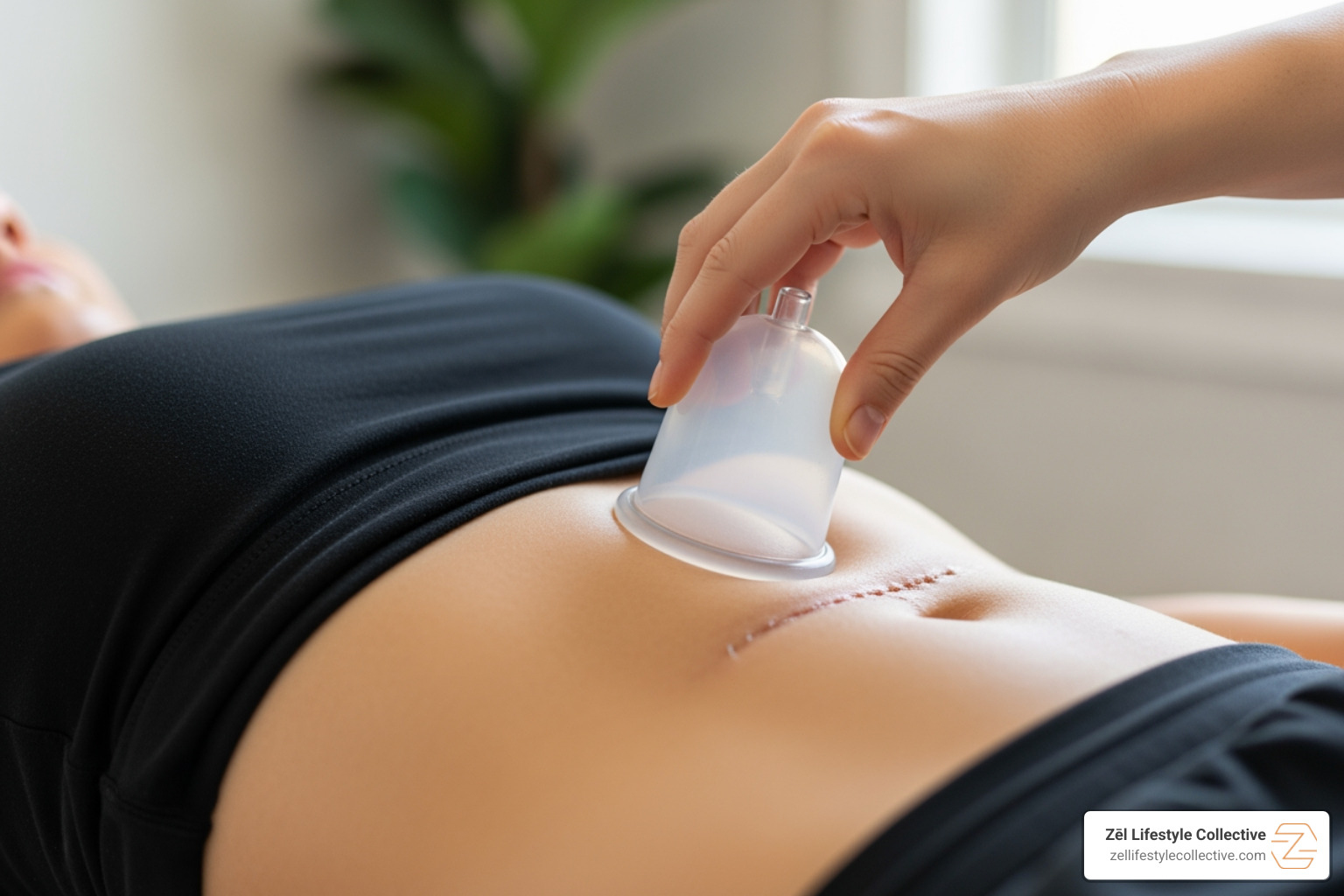
If you aren't able to visit us at our Ohio clinic, you can perform basic scar cupping at home using soft silicone cups. These are much easier to handle than traditional glass cups and allow for much better control over the suction intensity.
Static Cupping vs. Gliding Massage
Technique Method Best For... Static Cupping Placing the cup and leaving it for 1-3 minutes. Deep, stubborn adhesions and "waking up" numb areas. Gliding (Massage) Cupping Moving the cup along the skin using oil. Improving overall circulation and smoothing scar texture.
Safety First: When to Start and Contraindications
Before you start, you must ensure the wound is ready. Never cup an open wound.
The 6–8 Week Rule: Generally, you should wait 6 to 8 weeks post-surgery. The incision must be fully closed, with no scabs or signs of infection (redness, heat, oozing).
The Remodeling Phase: Cupping is most effective during the remodeling phase (up to 12 months post-injury).
Surgeon Clearance: Always get the "all-clear" from your surgeon or primary care provider before starting any manual therapy on a surgical site.
Fragile Skin: If the skin is very thin or fragile (common after radiation), proceed with extreme caution and very light suction.
As discussed in the guide for DIY Cupping for scar release, starting too early can trigger inflammation rather than healing.
A Daily Protocol for Cupping for Scars
Lubricate: Apply a liberal amount of coconut oil, olive oil, or cocoa butter. The cup must be able to slide easily without pinching the skin.
Test Suction: Squeeze the silicone cup gently and place it on a healthy area of skin first to gauge the pressure. It should feel like a "pull," not a "pinch."
Parallel Gliding: Move the cup slowly parallel to the scar line. Do this for 1-2 minutes.
Perpendicular Strokes: Move the cup across the scar (like a "cross" motion). This helps break the cross-hatched collagen fibers.
Static Wiggles: Place the cup directly on a tight spot, give it a tiny twist, and "wiggle" it without moving it from the spot.
Duration: Keep the total session to 5–10 minutes.
Frequency: Start 3–4 times a week. As the tissue becomes more supple, you can drop down to 1–2 times a week.
Maximizing Results with Complementary Techniques
At Zēl Lifestyle Collective, we rarely use cupping as a standalone treatment. To get the best results for cupping for scars, we often combine it with other "root-cause" therapies.
Manual Massage & Myofascial Release: We use our hands to prep the tissue before the cups go on. This helps us feel exactly where the restrictions are.
Dry Needling: For deep, painful scars, we might use a technique called "surrounding the dragon," where needles are placed around the scar perimeter to stimulate a healing response.
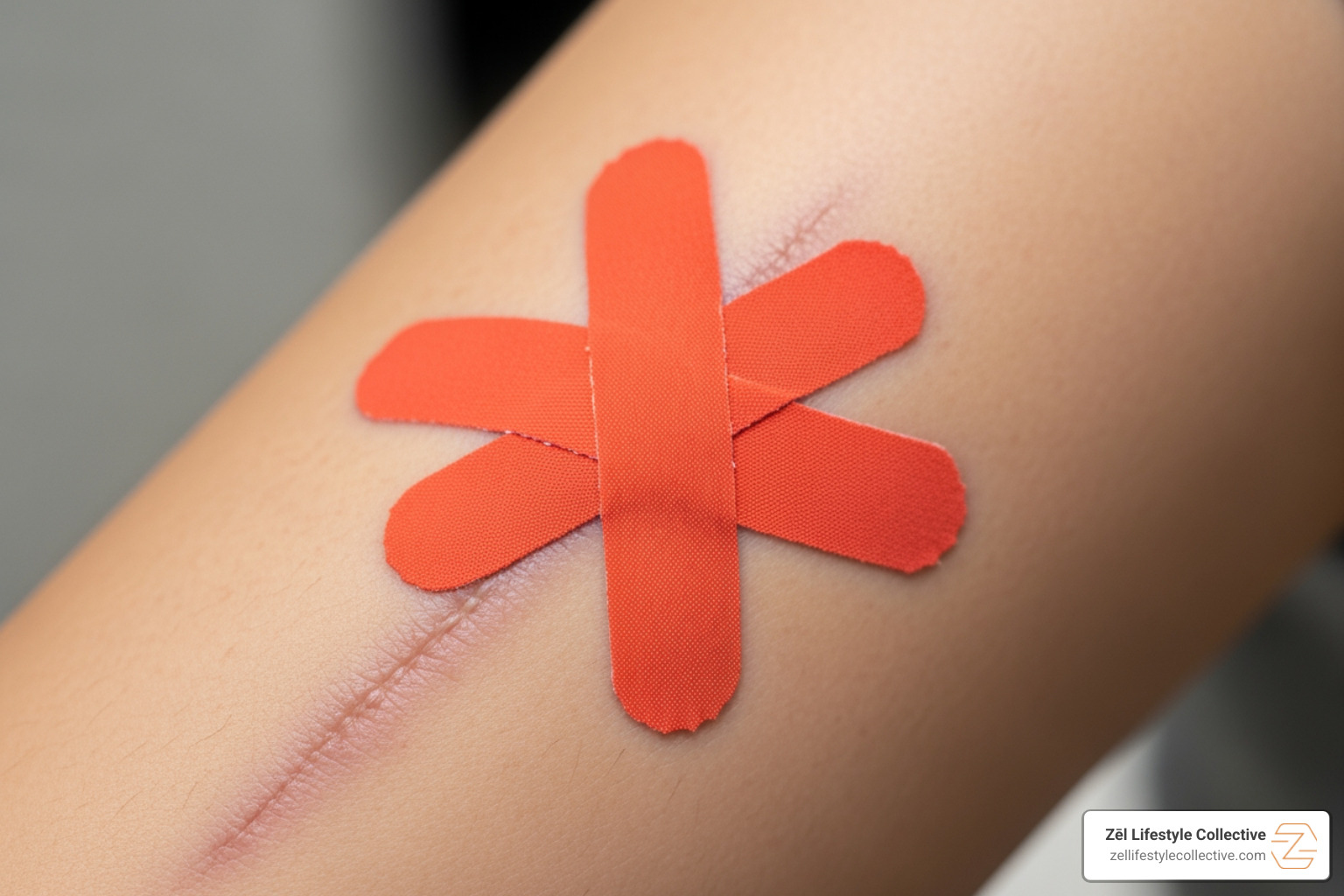
Kinesiotaping: Applying tape in a zig-zag or star pattern over a scar after cupping can help maintain the "lifted" state of the tissue and support lymphatic drainage throughout the day.
Hydration: Scar tissue is notoriously "thirsty." Drinking plenty of water and using high-quality topical hydrators (like silicone sheets or specialized oils) helps the remodeling process.
According to Cupping For Scar and Cellulite Reduction - Brilliant Massage & Skin, combining these methods ensures that you are attacking the scar from multiple angles—physically, chemically, and neurologically.
Frequently Asked Questions about Cupping for Scars
How long do the marks last?
The circular marks left by cupping are not bruises; they are the result of increased microcirculation and the release of metabolic waste from the tissue. Typically, these marks last between 3 to 7 days, though on some people, they can last up to two weeks. Many of our athletes in Tallmadge wear them as an "athletic badge of honor," but if you have a big event coming up, keep the timing in mind!
Can cupping remove a scar completely?
No therapy can erase a scar 100%. A scar is a permanent change in the skin's architecture. However, cupping can make a scar barely noticeable. It softens the "ropiness," flattens raised areas, and helps the color blend more naturally with your surrounding skin. The goal is to restore the tissue to as close to "normal" as possible.
Is it painful?
It shouldn't be! You will feel a strong pulling or stretching sensation, and the area might feel warm. If it feels sharp or painful, you have too much suction. The goal is to relax the nervous system, not stress it out. You can always adjust the pressure by squeezing the cup less.
Conclusion
Scar tissue doesn't have to be your "new normal." Whether you're dealing with the aftermath of a major surgery, a C-section, or an old injury that still feels "tight," cupping for scars offers a path toward freedom of movement and improved confidence.
At Zēl Lifestyle Collective, we specialize in these types of integrative, holistic treatments. We don't just look at the scar; we look at how that scar is affecting your entire body's alignment and function. From our clinic in Tallmadge, Ohio, we provide personalized care that gets to the root cause of your discomfort.
If you’re ready to stop feeling "stuck" and start your healing journey, we’re here to help.
Schedule your session for Cupping Therapy today and let us help you make your "great escape" from restrictive scar tissue.