A – Z Guide to Trusted Medical Spa Services
What Are Medical Spa Services? A 2026 Guide to the Most Popular Treatments
Medical spa services sit at the intersection of clinical medicine and wellness — offering results-driven aesthetic treatments that go well beyond what a traditional day spa can provide.
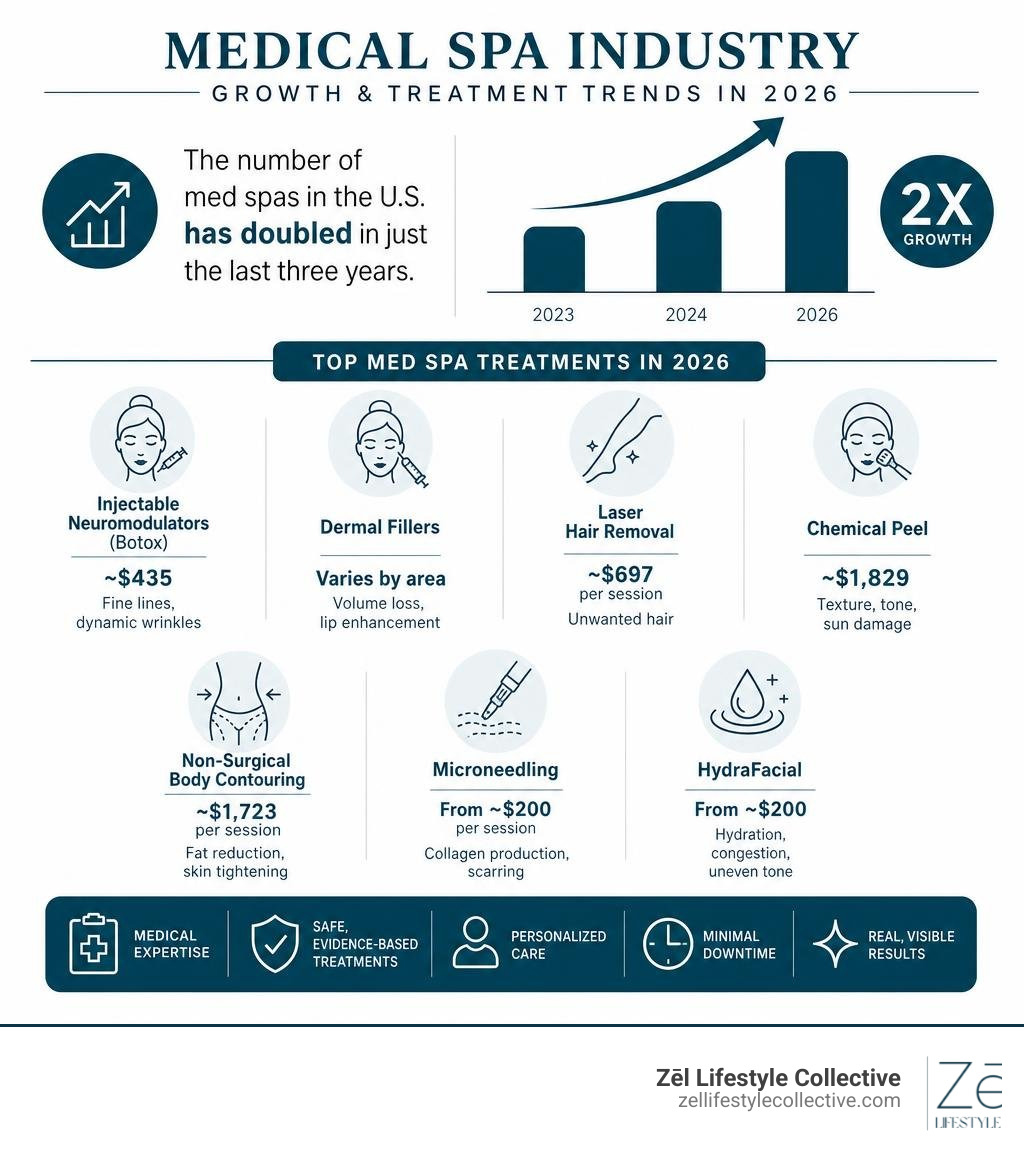
Here's a quick look at the most popular med spa treatments in 2026:
Treatment Average Cost What It Addresses Injectable neuromodulators (Botox) ~$435 Fine lines, dynamic wrinkles Dermal fillers Varies by area Volume loss, lip enhancement Laser hair removal ~$697/session Unwanted hair Chemical peel ~$1,829 Texture, tone, sun damage Non-surgical body contouring ~$1,723/session Fat reduction, skin tightening Microneedling From ~$200/session Collagen production, scarring HydraFacial From ~$200 Hydration, congestion, uneven tone
The med spa industry has grown at a remarkable pace — the number of med spas in the United States has doubled in just the last three years. More people are looking for treatments that deliver real, visible results without the downtime or cost of surgery.
But with so many options, providers, and price points out there, it can be genuinely hard to know where to start — especially if you're already juggling a demanding schedule, managing stress, or navigating conflicting health advice.
This guide cuts through the noise. Whether you're curious about Botox for the first time or comparing laser treatments and body contouring options, you'll find clear, honest information here to help you make confident decisions.
I'm Dr. Serif Krkic, co-founder of Zēl Lifestyle Collective and a longevity-focused doctor specializing in functional medicine, hormone optimization, and regenerative health — and my approach to medical spa services is rooted in treating the whole person, not just the surface. In the sections ahead, I'll walk you through everything you need to know, from how med spas differ from traditional spas to what questions to ask before booking your first appointment.
Understanding Medical Spa Services and How They Differ from Traditional Spas
At first glance, a medical spa (often called a med spa) might look a lot like a traditional day spa. You will find calming music, beautiful treatment rooms, and a focus on self-care. However, the similarities end at the surface.
Traditional day spas focus on relaxation, pampering, and temporary cosmetic improvements. Think of Swedish massages, standard facials, and basic body scrubs. While these feel wonderful and help lower stress, they do not change the structure or clinical health of your skin.
Medical spas, on the other hand, focus on correction, skin rejuvenation, and clinical-grade results. These practices perform medical-grade Non-Surgical Cosmetic Procedures | American Society of Plastic Surgeons that utilize active, clinical-strength ingredients and advanced medical devices. Because these treatments go deeper into the dermis, they must be performed under strict medical supervision.
Whether you are exploring options at major regional institutions like Nonsurgical Aesthetic Treatments | Ohio State Medical Center or visiting a specialized local clinic, the defining factor is always medical-grade capability.
The Role of Medical Directors in Medical Spa Services
The most critical difference between a traditional day spa and a medical spa is medical oversight. By law, a medical spa must have a licensed medical director—such as a medical doctor (MD), doctor of osteopathic medicine (DO), or in some jurisdictions, a highly qualified nurse practitioner (NP)—overseeing all operations, safety protocols, and treatment plans.
When you choose a provider, you should always look for the following:
Active Medical Director: A qualified physician who is actively involved in training staff, reviewing patient charts, and establishing clinical safety protocols.
Licensed Providers: Aesthetic procedures should only be performed by licensed medical professionals (such as registered nurses, nurse practitioners, or physician assistants) or highly trained licensed estheticians working under direct medical supervision.
Customized Consultations: A trusted med spa will always start your journey with an in-depth health history review and a comprehensive skin analysis.
At Zēl Lifestyle Collective, we believe that patient safety and clinical excellence go hand-in-hand. True beauty is a reflection of cellular health, hormone balance, and nervous system alignment. Having a physician-led team ensures that your aesthetic goals are met safely, effectively, and in harmony with your overall biology.
Core Categories of Med Spa Treatments

The menu of medical spa services in 2026 can feel overwhelming. To help you navigate your options, we can group the most popular treatments into three core medical categories: injectables, laser and energy-based therapies, and non-surgical body contouring.
Injectables and Neuromodulators
Injectable treatments are the most frequently requested medical aesthetic procedures in the country. They are minimally invasive, require virtually no downtime, and offer highly predictable results.
Neuromodulators (Botox, Dysport, Xeomin, Daxxify): These treatments work by temporarily blocking the nerve signals that tell your facial muscles to contract. By relaxing these muscles, we smooth out "dynamic wrinkles"—the lines that form when you frown, smile, or squint. Results typically appear within 3 to 10 days, peak at two weeks, and last an average of 3 to 4 months.
Dermal Fillers (Hyaluronic Acid-based like Juvéderm and Restylane, or Biostimulators like Sculptra and Radiesse): While neuromodulators relax muscles, fillers restore lost volume. As we age, we naturally lose fat and bone density in our face, leading to hollow cheeks, deep smile lines, and thinning lips. Fillers lift and plump these areas, with results lasting anywhere from 6 to 18 months depending on the product and your metabolism.
If you love the idea of smoothing your skin but prefer a needle-free, collagen-boosting alternative, clinical skin therapies like Microneedling are an excellent option. Microneedling creates thousands of microscopic micro-channels in the skin, triggering your body's natural healing response to flood the area with fresh collagen and elastin.
Laser and Energy-Based Therapies
Lasers and light devices use targeted wavelengths of energy to address skin concerns deep below the surface without harming the outer layer of skin.
Laser Hair Removal: By targeting the pigment in hair follicles, lasers damage the root to prevent future hair growth. Because hair grows in cycles, most patients need a series of treatments to achieve permanent reduction.
IPL (Intense Pulsed Light) Photofacials: Rather than a laser, IPL uses broad-spectrum light to target red and brown spots in the skin. It is highly effective for reversing sun damage, fading age spots, and reducing facial redness caused by rosacea.
Laser Skin Resurfacing: These treatments remove damaged outer layers of skin or use fractional energy to stimulate deep collagen remodeling. They are ideal for treating deep wrinkles, acne scarring, and overall skin laxity.
For those managing chronic pain, tissue inflammation, or seeking accelerated cellular healing alongside their aesthetic treatments, advanced technologies like MLS Laser Therapy utilize patented multiwave locked systems to relieve pain and reduce swelling at a deep cellular level.
Non-Surgical Body Contouring
For years, surgical procedures like liposuction were the only way to address stubborn fat deposits. Today, non-surgical body contouring offers highly effective alternatives with zero surgical downtime.
Non-Surgical Fat Reduction (Cryolipolysis or Laser Lipolysis): These technologies freeze or heat targeted fat cells, causing them to naturally break down. Your lymphatic system then gently processes and flushes these cells out of your body over the following weeks.
High-Intensity Electromagnetic Muscle Toning: Treatments like Emsculpt trigger thousands of involuntary muscle contractions in a single session. This helps strengthen, tone, and firm the abdomen, buttocks, thighs, and arms far beyond what traditional exercise can achieve.
Pelvic Floor Strengthening: Specialized treatments like Emsella use high-intensity focused electromagnetic energy to stimulate and rehabilitate deep pelvic floor muscles, helping resolve urinary incontinence and improving overall intimate wellness.
Average Costs and Pricing Strategies for Popular Treatments
When considering medical spa services, understanding the financial investment is key. Because these are medical procedures requiring specialized equipment and highly trained clinical staff, pricing reflects both the expertise of the provider and the quality of the technology used.
Here is a breakdown of average national costs for popular aesthetic and surgical treatments in 2026:
Treatment Category Specific Procedure Average National Cost (2026) Injectables Neuromodulators (Botox/Dysport) ~$435 per treatment area Laser Therapies Laser Hair Removal ~$697 per session Skin Resurfacing Chemical Peel ~$1,829 (varies by depth) Body Contouring Non-Surgical Body Contouring ~$1,723 per treatment Surgical Alternatives Surgical Breast Reduction ~$7,800 Surgical Alternatives Surgical Facelift ~$11,395 Surgical Alternatives Surgical Lower Body Lift ~$11,397
How Providers Set Rates for Medical Spa Services
If you are shopping around for med spa treatments in Ohio, you might notice that pricing structures vary. Most reputable clinics set their pricing based on a few transparent models:
Per-Unit or Per-Syringe Pricing: For injectables, you will typically pay per unit of neuromodulator (e.g., $12 to $18 per unit of Botox) or per syringe of dermal filler. This ensures you only pay for the exact amount of product your facial anatomy requires.
Package Discounts: Because treatments like laser hair removal, microneedling, and body contouring require a series of sessions for optimal results, most med spas offer discounted packages (e.g., buy five sessions, get the sixth free).
Tiered Memberships: Many modern medical spas offer monthly membership programs. These allow you to pay a flat monthly fee in exchange for a regular monthly treatment (like a medical-grade facial or chemical peel), exclusive discounts on injectables, and retail product perks. Memberships are a fantastic way to maintain consistent skin health while spreading out the costs.
Patient Guide: Preparing for and Recovering from Your Treatment
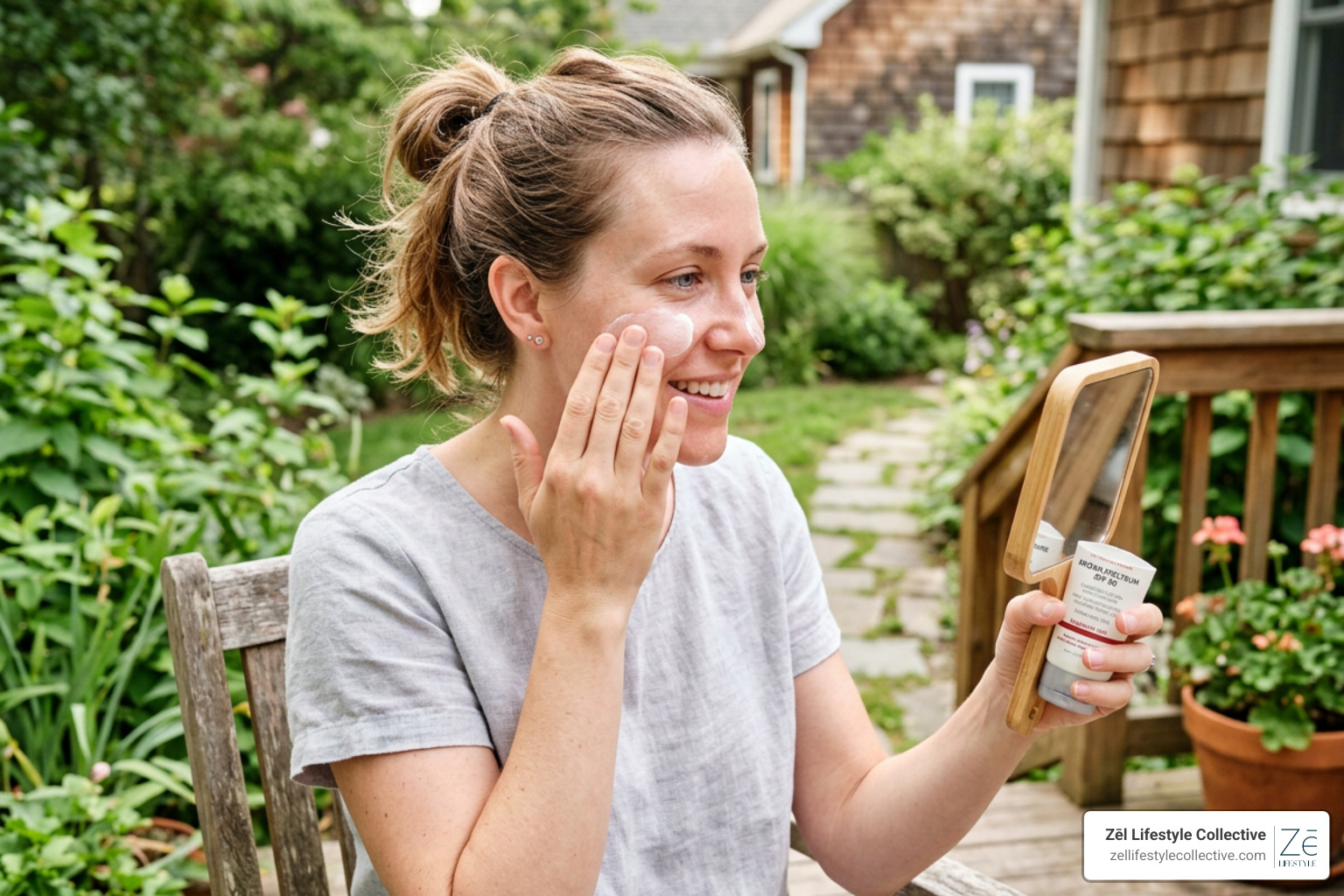
To get the absolute best results from your medical spa services—and to minimize the risk of side effects—what you do before and after your appointment matters just as much as the treatment itself.
Pre-Treatment Best Practices
Preparation begins during your initial consultation. Your provider will assess your skin using tools like the Fitzpatrick Scale, which classifies skin types (I through VI) based on how they react to sun exposure. This classification is vital for customizing laser and chemical peel settings safely.
Avoid Direct Sun Exposure: For at least two weeks prior to any laser, IPL, or chemical peel treatment, stay out of the sun and avoid tanning beds. Sunburned or heavily tanned skin is highly susceptible to burns and hyperpigmentation.
Pause Active Skincare: Stop using retinoids (Retin-A, retinol), glycolic acid, salicylic acid, and other strong exfoliating products 3 to 5 days before your scheduled treatment.
Watch Your Supplements: To minimize bruising from injectables, avoid blood-thinning over-the-counter medications and supplements like aspirin, ibuprofen, fish oil, and high doses of Vitamin E for one week before your appointment (always consult your doctor before stopping prescribed medications).
Post-Treatment Recovery and Aftercare
After your treatment, your skin will be in a healing phase. Support it with gentle, nurturing care:
Prioritize Sun Protection: Your skin will be highly sensitive to UV damage post-treatment. Apply a broad-spectrum mineral SPF 30+ daily, wear a wide-brimmed hat, and avoid direct sunlight.
Keep It Cool: For 24 to 48 hours after injectables or laser treatments, avoid strenuous exercise, saunas, hot tubs, and heavy steam. Increased blood flow and heat can worsen swelling and bruising.
Adjust Your Sleep Position: If you received dermal fillers or Botox, try to sleep flat on your back with your head slightly elevated for the first night to reduce swelling and prevent the product from shifting.
Nourish from Within: Beautiful skin requires the right biological building blocks. Supporting your body's cellular repair with high-quality, medical-grade Nutraceuticals can dramatically improve your skin's healing time and enhance collagen production from the inside out.
Frequently Asked Questions about Med Spa Treatments
What are the risks of injectables and laser treatments?
When performed by licensed, experienced medical professionals, these treatments are incredibly safe. However, like any medical procedure, they carry minor risks. For injectables, temporary swelling, redness, and mild bruising at the injection site are common and typically fade within a few days. Rare risks include asymmetry or temporary drooping of a muscle (ptosis), which resolves as the product wears off. For lasers, temporary redness and a mild sunburn sensation are normal, while rare risks include blistering, burns, or post-inflammatory hyperpigmentation if pre- and post-care instructions are not followed.
How long do the results of Botox and dermal fillers last?
Neuromodulators (Botox, Dysport) typically last between 3 and 4 months. Your body gradually metabolizes the product, and muscle movement will slowly return. Dermal fillers last longer—usually between 6 and 18 months—depending on the density of the filler used and the area treated (for example, lip fillers tend to break down faster because the mouth is highly active). Consistent maintenance appointments can help you preserve your results seamlessly.
Are med spa treatments safe for all skin tones?
Yes, but they must be customized. Historically, older laser technologies carried higher risks of hyperpigmentation or scarring for deeper skin tones (Fitzpatrick types IV through VI). However, modern medical spas use advanced laser wavelengths (such as Nd:YAG lasers) and specialized energy devices that safely bypass the surface pigment to target deeper tissues. Always ensure your provider has specific training and experience in treating your unique skin type.
Conclusion
At Zēl Lifestyle Collective, we believe that true beauty and longevity are never just skin-deep. While medical spa services offer incredible tools for skin rejuvenation, volume restoration, and confidence, the most radiant results occur when we treat the whole person.
We invite you to experience a different approach to aesthetics and wellness. Located in Tallmadge, Ohio, we are an integrative medicine clinic combining advanced clinical therapies with holistic, root-cause medicine. From targeted aesthetic treatments to functional health optimization, we design personalized pathways to help you look, feel, and live at your absolute peak.
Ready to align your inner health with your outer radiance? Explore our comprehensive wellness services or browse Hudson Services to begin your journey. You can also discover the benefits of Cosmetic Acupuncture and IV Therapy to support your cellular vitality.
Let us help you write your next chapter of vibrant health. Reach out to us at Zēl Lifestyle Collective today.