
Why IV Fluids for a Hangover Might Be Your Best Friend
What You Need to Know Before Getting IV Fluids for a Hangover
IV fluids for a hangover deliver saline, electrolytes, vitamins, and sometimes medications directly into your bloodstream to relieve dehydration, nausea, headaches, and fatigue — faster than drinking water or taking pills.
Quick answer: Do hangover IVs work?
Yes, for symptom relief — especially dehydration, nausea, and headaches
No, they don't cure a hangover — they can't speed up how your liver clears alcohol or its toxic byproducts
Relief typically starts within 30 to 60 minutes of the infusion
Cost ranges from $100 to $400 and is rarely covered by insurance
Safest when administered by a licensed medical professional after a brief health screening
You had a big night. Now it's morning, and your head is pounding, your stomach is turning, and the thought of getting off the couch feels impossible. You're not alone — and you're probably wondering if there's a faster fix than water and waiting.
The appeal of hangover IV therapy is real. But so are the questions around it: Does it actually work? Is it safe? Is it worth the cost? The honest answer is more nuanced than most IV clinics let on.
This guide breaks it all down clearly — the science, the benefits, the risks, and whether it makes sense for you.
I'm Dr. Serif Krkic, a longevity-focused doctor and co-founder of Zēl Lifestyle Collective, with a background in functional medicine and recovery science — including the use of iv fluids for a hangover as part of a broader, personalized wellness approach. My goal here is to give you the honest, evidence-based picture so you can make the right call for your body.
What is a Hangover IV Drip and What Does It Contain?
If you have ever woken up feeling like you wrestled a gremlin and lost, you have likely looked for any relief possible. A hangover IV drip is an intravenous infusion designed to tackle those rough morning-after symptoms by putting fluids and nutrients directly into your bloodstream. But what exactly is inside that bag?
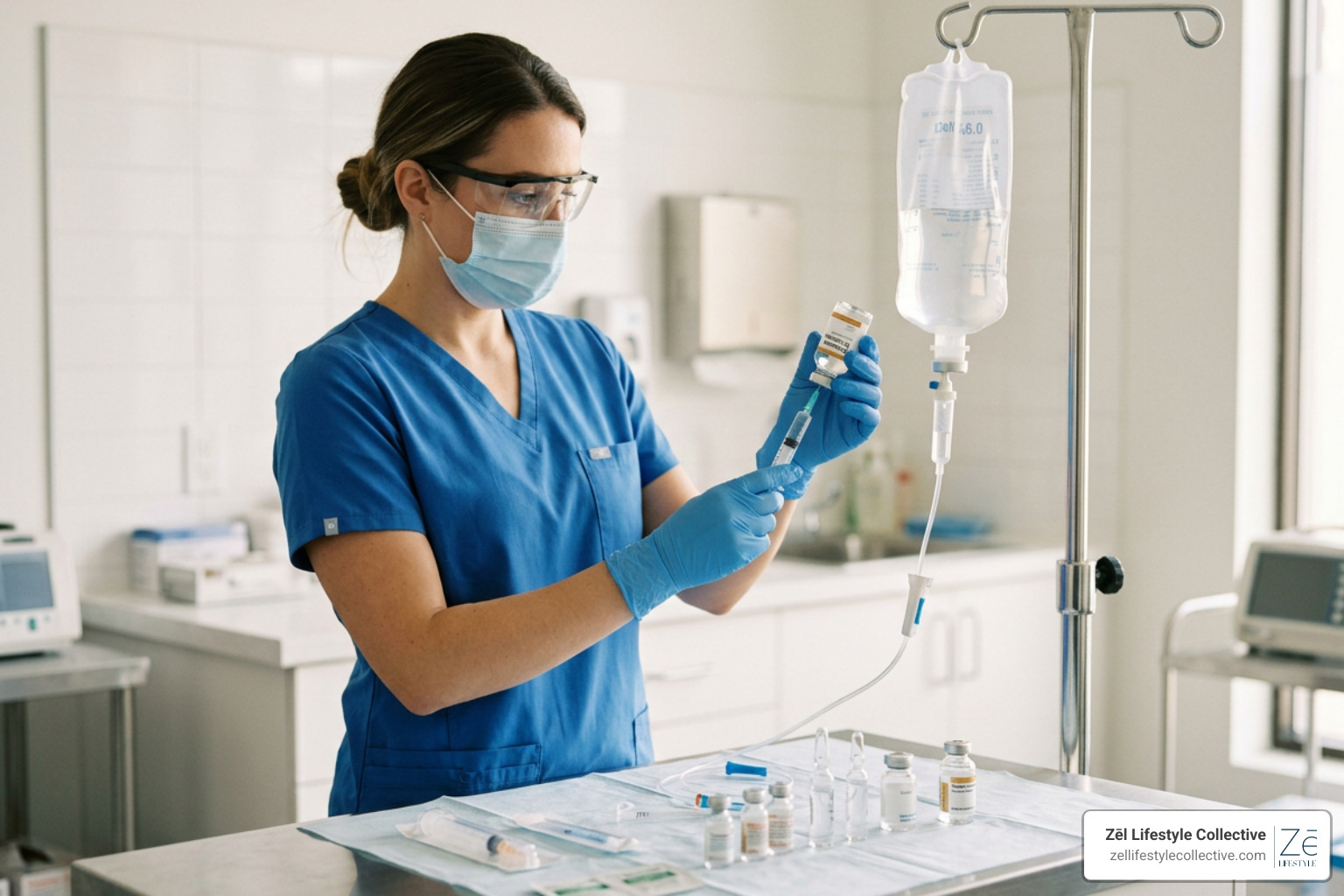
A typical hangover drip is not just plain water. It is a carefully formulated mixture of fluids, essential nutrients, and targeted medications:
Saline Solution: The base of almost every drip is a sterile saline solution (typically 0.9% sodium chloride) or Lactated Ringer's. This matches your body's natural fluid balance and provides rapid, direct volume expansion to correct dehydration.
Electrolytes: Sodium, potassium, and chloride are added to help restore the delicate mineral balance that alcohol disrupts.
B-Complex Vitamins: Alcohol acts as a diuretic and actively depletes water-soluble vitamins. B-complex vitamins (including B1, B2, B3, B5, and B6) are crucial for cellular energy production and neurological function.
Vitamin B12: Often given as part of a B12 vitamin drip or a separate B12 IV Treatment, this vitamin is essential for clearing brain fog and restoring cognitive clarity.
Vitamin C: A powerful antioxidant that helps combat the oxidative stress and systemic inflammation caused by heavy drinking.
Magnesium: Alcohol triggers magnesium loss through urination. Replacing it helps soothe muscle aches and reduces the severity of alcohol-induced headaches.
Glutathione: Known as the body's master antioxidant, glutathione assists the liver in neutralizing acetaldehyde, the highly toxic byproduct of alcohol metabolism.
Targeted Medications: Depending on your symptoms, a medical professional might add prescription-strength anti-nausea medication (like Zofran/ondansetron) or a strong, non-narcotic anti-inflammatory medication (like Toradol/ketorolac) directly into the mix.
These ingredients work together to address multiple symptoms at once. You can read more about typical hangover drip ingredients to see how these elements compare to standard medical protocols. When you choose a comprehensive IV Therapy session, these ingredients are customized to match exactly how you are feeling.
How Do IV Fluids for a Hangover Work to Relieve Symptoms?
To understand why iv fluids for a hangover can feel like a lifesaver, we have to look at what alcohol actually does to your body.
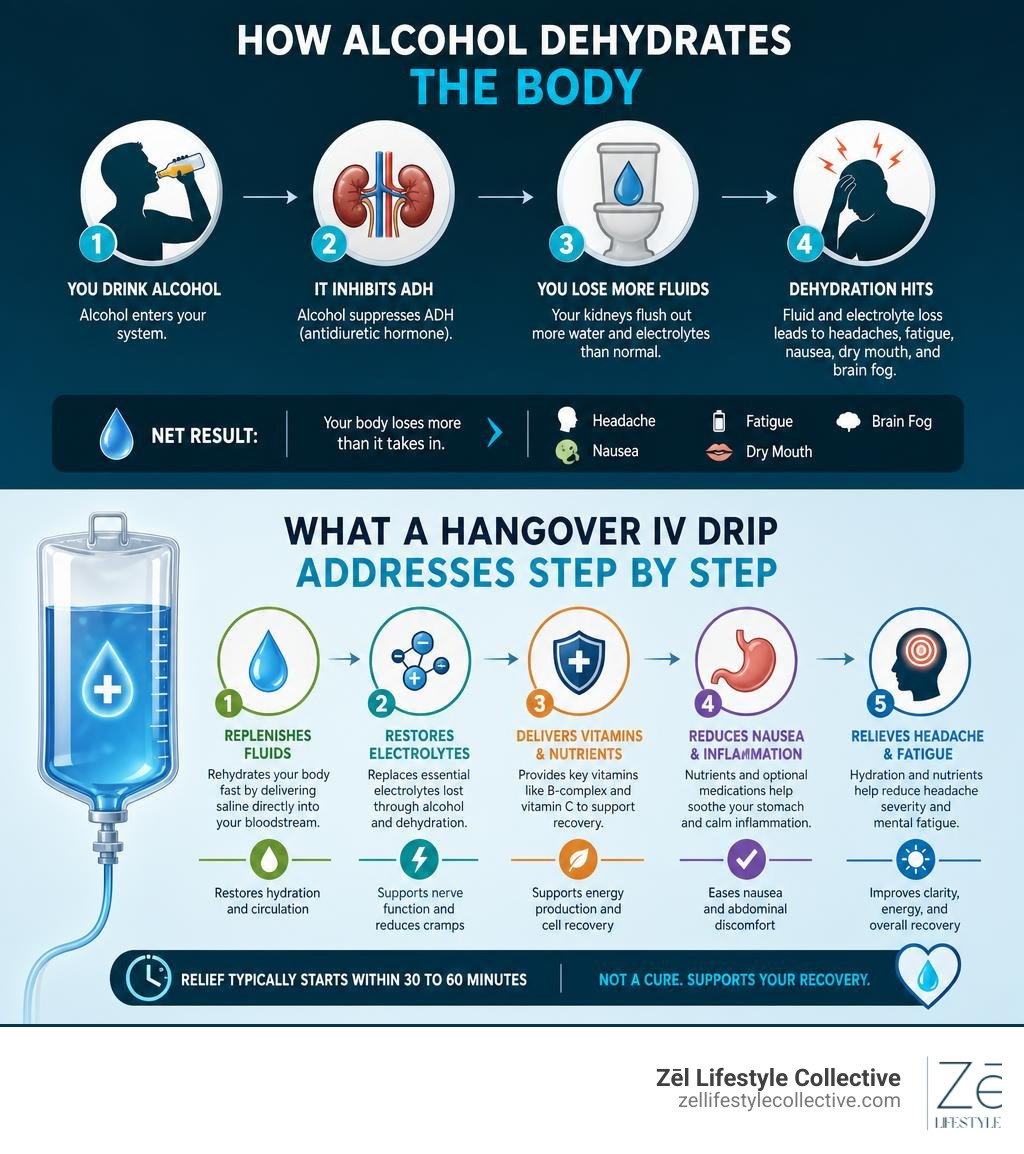
First, alcohol is a potent diuretic. It suppresses the release of vasopressin, an antidiuretic hormone that tells your kidneys to hold onto water. Without vasopressin, your kidneys flush out fluids at an accelerated rate, leaving you severely dehydrated. This fluid loss shrinks your brain volume slightly, pulling on the membranes connecting it to your skull—which is why your head pounds so the next morning.
Second, your liver breaks down ethanol into acetaldehyde, a toxic metabolite that is up to 30 times more toxic than alcohol itself. Acetaldehyde causes inflammation, nausea, and that overall feeling of physical misery.
Here is how an IV drip steps in to change the game:
Bypassing the Digestive System: When you are nauseous or actively vomiting, keeping down water, sports drinks, or pain pills is incredibly difficult. Because alcohol irritates the stomach lining, oral absorption is highly compromised. An IV bypasses your gut entirely, delivering 100% of the fluids and nutrients directly into your circulatory system with maximum bioavailability.
Instant Rehydration: Bypassing the digestive tract means the saline solution immediately expands your blood volume, rapidly rehydrating your tissues and relieving that pulling sensation in your brain to ease your headache.
Diluting Toxins: The sudden influx of sterile fluids helps dilute the concentration of acetaldehyde and other metabolic waste products in your bloodstream, making it easier for your kidneys and liver to filter them out.
Reducing Inflammatory Cytokines: Heavy drinking triggers an inflammatory response, releasing proteins called cytokines that mimic the feeling of having a viral infection (which explains the body aches and fatigue). The combination of rapid hydration, vitamin C, and magnesium helps quiet this systemic inflammation.
If you are looking to recover your physical stamina and mental sharpness, utilizing these mechanism-based therapies can provide a major lift. For those seeking a general physical reboot, exploring the energy boost IV drip benefits or scheduling a Wellness IV Drip Tallmadge can help restore your baseline vitality.
The Science: Do Hangover IVs Actually Work?
While the immediate relief reported by many people is compelling, it is important to look at what clinical science actually says about using iv fluids for a hangover. Is the recovery purely physical, or does the placebo effect play a significant role?
Medically speaking, there is a difference between curing a hangover and relieving its symptoms. No treatment on earth can speed up the rate at which your liver metabolizes alcohol; that process simply takes time. However, IV therapy is highly effective at correcting the acute dehydration and electrolyte imbalances that make hangover symptoms feel so debilitating.
Clinical Evidence for IV Fluids for a Hangover
From a strict scientific perspective, large-scale, peer-reviewed clinical trials specifically evaluating commercial hangover IVs are quite limited. However, we can look at emergency medicine data and recent physiological studies to get an honest picture:
The 2023 Alcohol Intoxication Study: A clinical study published in 2023 evaluated patients who presented to emergency departments with acute alcohol intoxication. The researchers found that administering IV fluids did not significantly speed up the patients' "wake-up time" or accelerate the clearance of alcohol from their breath or blood compared to those who did not receive IV fluids. This confirms that IV therapy does not sober you up faster or accelerate liver metabolism.
The 2024 Hangover vs. Dehydration Study: A study published in 2024 highlighted that hangovers and dehydration are actually two separate, co-existing consequences of drinking. While dehydration causes thirst, dry mouth, and lightheadedness, the systemic hangover (nausea, cognitive fog, and malaise) is driven by inflammation and acetaldehyde. This explains why drinking water alone rarely makes a hangover disappear completely.
The Power of Added Medications: Much of the rapid relief people feel from a hangover IV comes from the active medications mixed into the saline bag, such as anti-emetics (Zofran) and NSAIDs (Toradol). These medications work just as effectively when delivered intravenously as they do orally, but they take effect much faster because they bypass the stomach.
For a balanced look at the medical consensus, you can explore the scientific perspective on hangover IV efficacy or read the expert analysis on whether IV Hydration Cures Hangovers from Hackensack Meridian Health. While an IV drip is not a magical cure that erases the biological consequences of heavy drinking, it is a highly efficient delivery system for rapid symptom management.
Benefits, Risks, and Safety of IV Hydration Therapy
Like any elective medical procedure, hangover IV therapy comes with its own set of pros and cons.
The primary benefit is speed and convenience. If you have a busy workday, a flight to catch, or a major event, sitting through a 45-to-60-minute session to get your body back in working order can feel completely worth it. Furthermore, if you are struggling with severe nausea and cannot keep water down, an IV is one of the only reliable ways to rehydrate.
However, we must also talk about safety and risks. Having an IV placed means breaking the skin barrier, which carries inherent, albeit small, medical risks:
Infection and Vein Irritation: Any time a needle is inserted into a vein, there is a risk of localized infection, bruising, or inflammation of the vein (phlebitis).
Fluid Overload: Introducing a full liter of fluid directly into the bloodstream can place a sudden strain on the cardiovascular system. For healthy individuals, the kidneys easily filter out the excess. However, for anyone with underlying heart disease, kidney conditions, or blood pressure issues, rapid fluid administration can be highly dangerous.
Electrolyte Imbalance: Administering the wrong balance of fluids or vitamins without checking a patient's baseline health can cause dangerous shifts in sodium or potassium levels.
Lack of Clinic Transparency: Safety largely depends on who is administering your treatment. A landmark 2025 study of 87 commercial IV hydration clinics found that only 24% of them disclosed any potential risks or side effects to patients before treatment, and only 6.9% explicitly mentioned the risk of infection.
This is why we strongly emphasize receiving IV therapy only from licensed medical professionals who conduct a proper medical screening and review your health history before placing a needle in your arm.
Comparing Oral Hydration to IV Fluids for a Hangover
To help you decide which route is best for your recovery, let us look at how traditional oral rehydration stacks up against intravenous therapy:
Feature Oral Rehydration (Water, Sports Drinks) IV Hydration Therapy Absorption Rate Slow (must pass through stomach and intestines) Instantaneous (directly enters bloodstream) Bioavailability Variable (reduced if stomach is irritated or nauseous) 100% (bypasses the digestive system entirely) Symptom Relief Gradual; may take several hours Rapid; typically felt within 30 to 60 minutes Cost Extremely low ($1 to $10) Moderate to high ($100 to $400) Risk Profile Virtually zero risk Low risk, but requires invasive needle insertion Convenience High (can be done anywhere, anytime) Moderate (requires visiting a clinic or booking a nurse)
While oral rehydration is highly successful in the vast majority of mild dehydration cases, it has clear limitations when your stomach is too upset to cooperate. You can read more about the limitations of IV therapy to understand when it is medically appropriate to choose one over the other. For those who use intense physical activity as a recovery tool, comparing these options to recovery IV therapy for athletes can provide further context on how fluid dynamics support cellular repair.
Frequently Asked Questions About Hangover IVs
How much does a hangover IV cost and is it worth it?
Commercial hangover IV treatments typically cost between $100 and $400 per session. Because these treatments are classified as elective wellness procedures, they are virtually never covered by standard health insurance.
Whether it is "worth it" depends entirely on your personal situation. If you are experiencing mild symptoms that can be managed with a sports drink, some ibuprofen, and a nap, spending several hundred dollars is likely unnecessary. However, if you are severely ill, unable to keep fluids down, and have urgent personal or professional obligations, the rapid relief provided by an IV can feel like a worthwhile investment. Some providers accept HSA or FSA cards, but you should check with your specific plan administrator first.
Where can you get a hangover IV and what should you expect?
You can find hangover IVs at dedicated IV bars, medical spas, and through mobile IV services that send a registered nurse directly to your home, office, or hotel room.
When you book a session, a typical appointment takes about 45 to 60 minutes. You should expect the following steps:
Health Screening: A licensed medical professional should review your medical history, check your vital signs (heart rate and blood pressure), and perform a brief physical assessment.
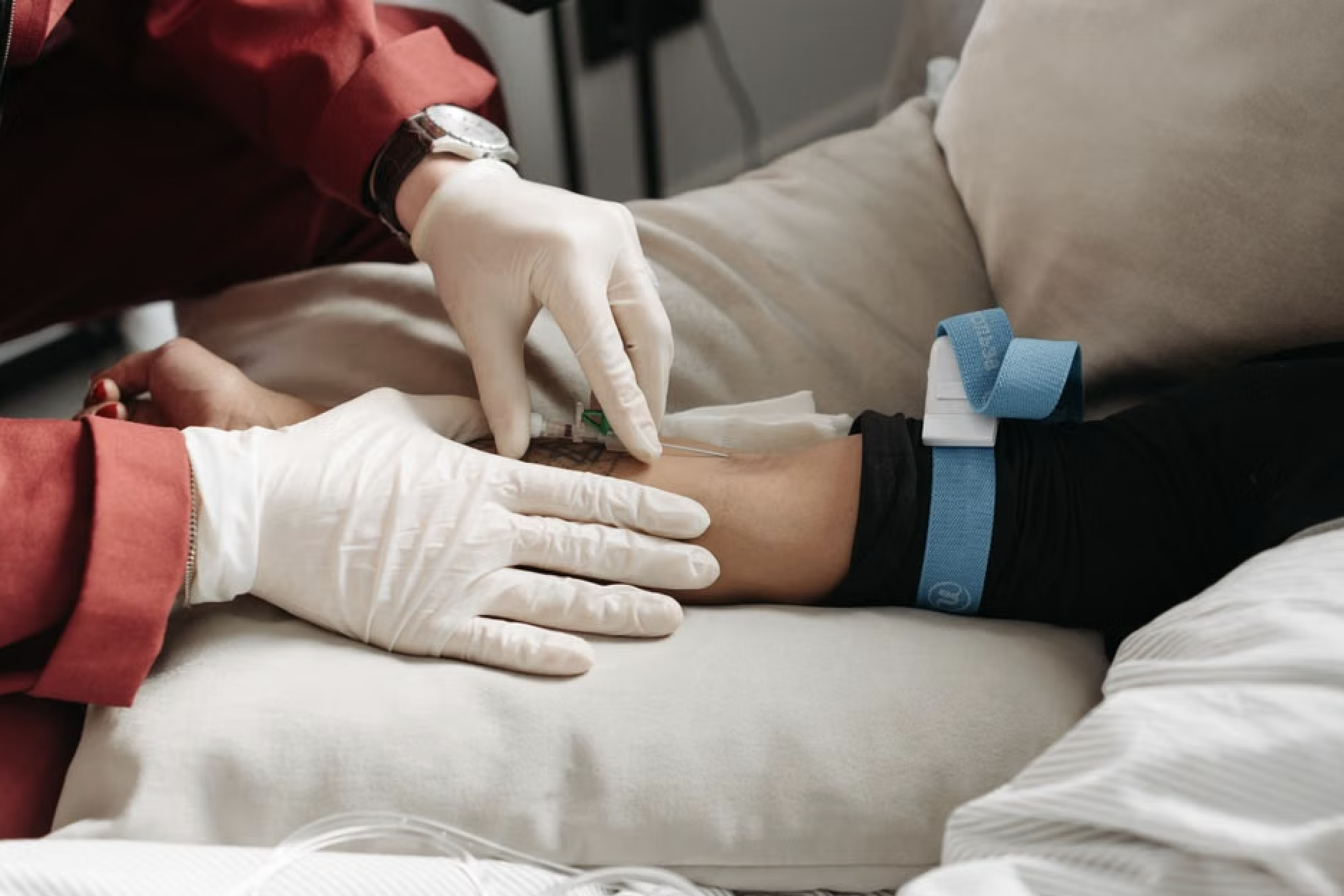
Insertion: A registered nurse or paramedic will insert a small IV catheter into a vein in your arm or hand.
The Infusion: You will sit comfortably while the fluid slowly drips into your bloodstream over 30 to 45 minutes. You might feel a cool sensation in your arm as the room-temperature fluid enters your body.
Removal: Once the bag is empty, the catheter is removed, a small bandage is applied, and you are free to go about your day.
To learn more about the preparation and safety standards involved, read about what to expect during hangover IV therapy to ensure your provider meets professional medical standards.
Are there better or more affordable alternatives to IV therapy?
Absolutely. For most everyday hangovers, you do not need an IV to recover safely. Excellent, budget-friendly alternatives include:
Oral Rehydration Salts (ORS): Products like Pedialyte, Liquid I.V., or WHO-formulated rehydration packets dissolve in water and use a specific ratio of sodium and glucose to maximize fluid absorption in your small intestine.
Targeted OTC Medications: Taking an over-the-counter nonsteroidal anti-inflammatory drug (NSAID) like ibuprofen or naproxen can significantly reduce headache pain and systemic inflammation. Note: Always avoid acetaminophen (Tylenol) when drinking or hungover, as mixing it with residual alcohol can cause severe liver toxicity.
Rest and Time: Your liver needs time to metabolize the toxins. Sleep is one of the most effective recovery tools available.
Smart Prevention: The absolute best alternative is preventing the hangover in the first place. Pace your drinks to one per hour, drink a full glass of water between every alcoholic beverage, eat a hearty meal before you start drinking, and stick to lighter-colored alcohols (like vodka or gin), which contain fewer congeners than dark liquors like whiskey or red wine.
Conclusion
At the end of the day, iv fluids for a hangover can be a highly effective tool to help you bounce back when you are in a pinch, but they are not a magic cure-all. They are designed to correct severe dehydration, restore depleted vitamins, and deliver fast-acting symptom relief directly where your body needs it most.
At Zēl Lifestyle Collective, we believe in looking at your health through a personalized, holistic, root-cause lens. While we offer premium, medically supervised Zēl Lifestyle Collective IV Therapy to help you recover and feel your best, we also focus on helping you build long-term lifestyle habits that support your liver, optimize your cellular energy, and keep your body performing at its peak.
If you are looking for safe, professional, and nurse-administered hangover IV therapy in Tallmadge, Ohio, we are here to support your recovery in a comfortable, clinical setting. Let's get you hydrated, restored, and back to feeling like yourself again!