
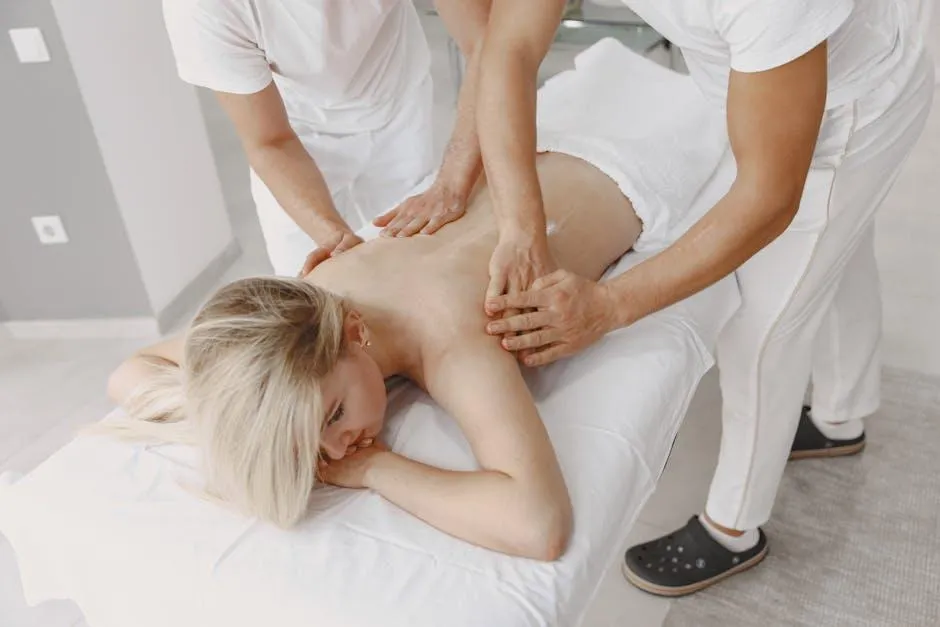
Best Local Massage Therapists Near You
Why Massage Therapy Is One of the Fastest-Growing Tools in Modern Wellness
Massage therapy is the hands-on manipulation of soft tissues — including muscles, tendons, ligaments, and fascia — to reduce pain, relieve stress, and support the body's natural healing process.
Quick Answer: What is massage therapy used for?
Goal How Massage Helps Chronic pain relief Reduces muscle tension and inflammation Stress and anxiety Lowers cortisol, promotes relaxation Injury recovery Improves circulation and breaks down scar tissue Immune support Stimulates lymphatic flow Flexibility and movement Releases fascial restrictions and tight muscles
It's one of the oldest forms of healing in human history — practiced across nearly every culture, from ancient China and India to Greece and Egypt. And it's not slowing down.
According to national survey data, 10.9% of U.S. adults used massage therapy in 2022 — more than double the 4.8% who used it in 2002. By 2015, the industry had grown into a $12.1 billion market in the United States alone.
For busy professionals dealing with chronic muscle pain, stress, and fatigue, massage therapy isn't a luxury anymore. It's a legitimate part of a smarter health strategy.
I'm Dr. Serif Krkic, chiropractor and co-founder of Zēl Lifestyle Collective, and with my background in exercise physiology and performance medicine, massage therapy is one of the foundational recovery tools I recommend to clients managing chronic pain, stress, and musculoskeletal dysfunction. In this guide, we'll break down exactly how it works, what the evidence says, and how to find the right therapist for your specific needs.
What is Massage Therapy and How Does It Work?
At its core, massage therapy is the systematic manipulation of the body's soft tissue. When we talk about soft tissue, we are referring to your muscles, tendons (which connect muscle to bone), ligaments (which connect bone to bone), and fascia (the expansive, web-like connective tissue that wraps around every muscle fiber, organ, and nerve in your body).
But how does rubbing these tissues actually make you feel better? It isn't just magic; it is biology.
When a skilled therapist applies pressure to your soft tissues, it triggers a chain reaction of physiological responses. First, physical manipulation stretches and relaxes tight muscle fibers, releasing painful muscle knots and trigger points. Second, it dilates blood vessels, which increases localized blood circulation. This brings fresh oxygen and vital nutrients to healing tissues while helping to flush out metabolic waste products.
Furthermore, massage acts directly on your nervous system. By stimulating sensory receptors under the skin, it signals your brain to reduce the production of stress hormones like cortisol and adrenaline, while boosting feel-good neurotransmitters like serotonin and dopamine.
According to the Mayo Clinic overview of massage benefits, this combination of mechanical and physiological changes is why massage is highly effective at reducing stress, lowering heart rate, and easing persistent muscle tightness. At Zēl Lifestyle Collective, we integrate these physiological benefits directly into our holistic treatment plans. You can explore our approach on our page dedicated to more details on massage therapy services.
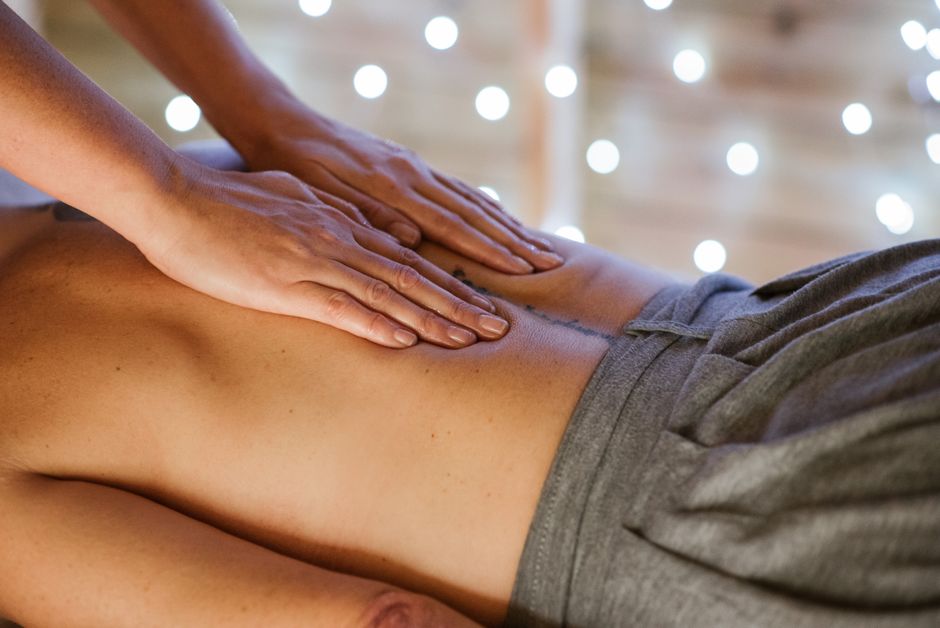
To help you understand the most common modalities, we’ve put together a quick comparison table of the three foundational styles:
Feature Swedish Massage Deep Tissue Massage Sports Massage Primary Goal General relaxation and stress relief Releasing chronic muscle tension and knots Enhancing athletic performance and recovery Pressure Level Light to medium Firm and deep Medium to firm (highly targeted) Techniques Used Long, gliding strokes (effleurage), kneading Slow, deliberate friction across muscle grains Stretching, compression, joint mobilization Best For First-timers, high stress, anxiety Chronic back pain, stiff neck, old injuries Active individuals, injury prevention
Swedish Massage and Deep Tissue Techniques
If you have ever booked a standard spa massage, you likely received a Swedish massage. Swedish massage is the most common form of massage therapy in Western countries and serves as the foundation for modern clinical training. It focuses primarily on the superficial layers of muscle, using long, flowing strokes, kneading, and light rhythmic tapping. This style is incredibly effective for full-body relaxation, boosting lymphatic circulation, and melting away the everyday mental stress that keeps your shoulders glued to your ears.
However, if you are dealing with deep-seated muscle knots, a stiff neck, or chronic tension in your lower back, Swedish massage might feel like trying to put out a campfire with a water pistol. That is where deep tissue massage comes in.
Deep tissue massage goes a layer deeper—literally. Your therapist uses slow, focused strokes and deep finger pressure to target the sub-layers of muscle and the surrounding fascia. It is designed to break up adhesions (rigid bands of painful tissue commonly known as "knots") that disrupt your circulation and restrict your range of motion. While deep tissue work can sometimes feel a bit tender or intense, it should never cause sharp, unbearable pain. Communication with your therapist is key to ensuring the pressure remains therapeutic rather than counterproductive.
Clinical and Sports Massage Therapy
Clinical massage and sports massage are highly targeted, goal-oriented therapies. Unlike relaxation-focused sessions, these modalities are designed to address specific physical impairments, injuries, or athletic performance goals.
Sports massage is tailored specifically for active individuals and athletes. Whether you are a weekend warrior running trails in Tallmadge, Ohio, or a competitive athlete training for a marathon, sports massage can be a game-changer. It focuses on injury prevention, keeping muscle fibers flexible, and shortening recovery times between intense workouts. By using specialized stretching, compression, and targeted friction, a sports therapist helps keep your joints moving freely and reduces post-exercise soreness.
Clinical massage, on the other hand, is often integrated into a medical treatment plan. In clinical settings, therapists use advanced soft tissue mobilization techniques to help patients recover from surgeries, manage chronic orthopedic conditions, or rehab from acute injuries. If you want to learn more about how clinical work fits into a broader medical framework, you can read the Cleveland Clinic guide to therapeutic massage.
Documented Health Benefits and Clinical Evidence
For decades, skeptics viewed massage as nothing more than an expensive, feel-good indulgence. But as of May 2026, the scientific consensus has shifted dramatically. A growing body of rigorous clinical research confirms that massage therapy offers measurable, evidence-based benefits for both physical and mental health.
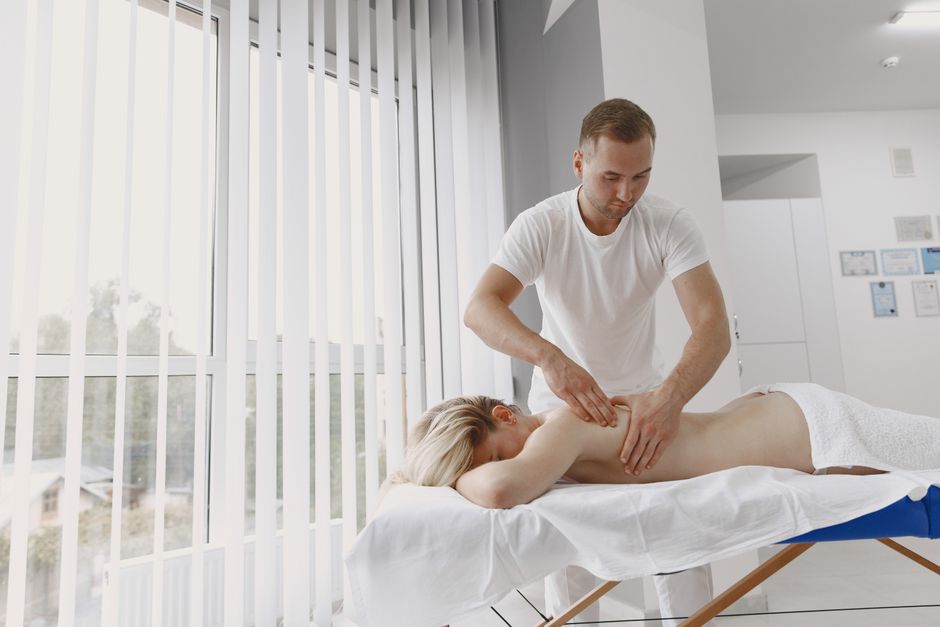
The clinical evidence supporting massage includes:
Pain Reduction: Massage helps block pain signals traveling to the brain and reduces localized inflammation.
Immune Support: Studies show that massage can increase the activity of the body’s white blood cells, which help fight off viruses.
Stress Relief: By lowering cortisol levels, massage helps shift your nervous system out of "fight-or-flight" mode and into "rest-and-digest" mode.
For a comprehensive look at what the latest data shows, you can review the NCCIH scientific evidence on massage.
Evidence-Based Relief for Chronic Pain
Chronic pain is one of the most common reasons patients seek out our integrative clinic in Tallmadge. Fortunately, clinical trials show that massage is highly effective at managing pain across several common conditions:
Low-Back Pain: Low-back pain is incredibly common, but you don't have to just live with it. Research shows that massage therapy can provide significant, short-term relief for acute and subacute back pain, helping you get back on your feet faster. For a deeper dive into managing this specific issue, check out our guide on effective massage for back pain relief.
Neck and Shoulder Pain: If you spend your workdays staring at a computer screen, you probably carry a massive amount of tension in your neck and upper shoulders. A landmark clinical trial with 228 participants found that 60-minute massage sessions, when received multiple times per week, were highly effective at providing lasting relief for chronic neck pain.
Knee Osteoarthritis: Living with arthritic knees can make simple tasks like walking down the stairs feel like climbing a mountain. Studies have demonstrated that consistent Swedish massage can significantly reduce pain and improve joint function in adults living with knee osteoarthritis.
Headaches and Migraines: If you suffer from frequent tension headaches or migraines, massage might offer a natural way to find relief. Small clinical trials have found that regular lymphatic drainage or traditional massage can help reduce the frequency and intensity of migraine attacks.
Support for Special Populations and Conditions
The clinical value of massage therapy extends far beyond everyday muscle aches. It has proven to be a valuable supportive therapy for individuals managing complex medical diagnoses:
Cancer Patients: In oncology care, massage is used to help manage the side effects of cancer treatments, such as chemotherapy and radiation. While it does not treat the cancer itself, gentle, oncology-trained massage can significantly reduce treatment-related pain, fatigue, nausea, and anxiety, greatly improving a patient's overall quality of life.
Fibromyalgia: Fibromyalgia causes widespread pain, fatigue, and sleep disturbances. Clinical reviews show that when patients receive massage therapy consistently for at least five weeks, they experience significant improvements in pain, anxiety, and depression.
HIV/AIDS: Research suggests that regular massage can help improve immune function, reduce anxiety and depression, and enhance the overall quality of life for individuals living with HIV/AIDS.
Preterm Infants: One of the most fascinating areas of massage research involves premature babies. Multiple clinical trials have shown that gentle massage therapy can help preterm infants gain weight faster and improve their digestive health.
Parkinson's Disease: For individuals living with Parkinson's, massage can help ease both motor symptoms (like muscle rigidity and tremors) and non-motor symptoms (like anxiety and sleep issues).
To read more about these specialized clinical studies, you can consult the Merck Manual clinical applications of massage.
Risks, Contraindications, and Professional Standards
While massage therapy is generally incredibly safe, it is not entirely without risks—especially if you have underlying health conditions. This is why it is so important to work with a qualified professional who understands when to modify their techniques or when to avoid massage altogether.
Potential risks and key contraindications include:
Blood Clots: If you have deep vein thrombosis (DVT), deep or vigorous massage can dislodge a blood clot, sending it to your lungs or brain, which can be life-threatening.
Nerve Injury and Fractures: Very aggressive techniques or poorly managed pressure can cause temporary nerve damage or even bone fractures, particularly in vulnerable individuals.
Bleeding Disorders & Thrombocytopenia: Patients with a very low blood platelet count (thrombocytopenia) or those taking prescription blood thinners have a much higher risk of severe bruising and internal bleeding from deep tissue work.
Severe Osteoporosis: If you have severe bone thinning, deep pressure or aggressive stretching must be strictly avoided to prevent accidental fractures.
To ensure your safety, always review the NCCIH safety guidelines for massage and discuss any pre-existing medical conditions with your primary care physician before starting a new therapy regimen.
Understanding the Role of a Licensed Massage Therapist
There is a major difference between getting a massage from a well-meaning friend and working with a Licensed Massage Therapist (LMT).
An LMT is a highly trained healthcare professional. They understand anatomy, physiology, and pathology. When you sit down with an LMT, they won't just tell you to lay down on the table; they will conduct a thorough intake, discuss your clinical goals, and ask about your medical history.
Whether your goal is targeted soft tissue mobilization to recover from an injury, or simply finding a safe, relaxation-focused environment to manage chronic stress, an LMT will customize their specialized techniques to meet your exact needs. This client-centered care ensures that your session is both safe and highly effective.
Licensing and Training Requirements for Massage Therapy
To practice legally in Ohio, massage therapists must meet strict professional standards. They must graduate from an accredited training program, complete hundreds of hours of hands-on clinical instruction, pass a rigorous national board exam (like the MBLEx), and obtain a formal license from the state.
In our local area, aspiring therapists often receive their education through highly respected institutions, such as the Raphael's Beauty School massage program. Once they graduate, they must apply for and maintain an active license through the State Medical Board of Ohio licensing division.
If you are interested in the specific legal and educational steps required to practice in our state, you can read our detailed breakdown on how to get a massage therapy license in Ohio.
Frequently Asked Questions
Is massage therapy covered by insurance or Medicare?
The short answer is: it depends, but unfortunately, most standard plans do not cover it by default.
Original Medicare (Part A and Part B) does not cover massage therapy under any circumstances, meaning you will be responsible for 100% of the out-of-pocket costs if you rely solely on traditional Medicare. However, some private Medicare Advantage (Part C) plans have begun offering extra benefits that may cover alternative or complementary therapies if they are deemed a medical necessity by your doctor.
When it comes to commercial health insurance, some plans will cover massage if it is prescribed by a licensed physician as part of a treatment plan for a specific injury or chronic condition. We always recommend calling your insurance provider directly to ask about your specific coverage, copays, and whether you need a formal referral from your doctor.
What should I expect during my first massage session?
If you have never had a professional massage before, it is completely normal to feel a little nervous! Here is exactly what to expect:
The Consultation: Your session will begin with a brief chat. Your therapist will review your health intake form, ask about your pain points, and discuss the level of pressure you prefer.
Draping and Disrobing: Your therapist will leave the room to give you complete privacy to undress. You only undress to your level of comfort—many clients choose to leave their underwear on, and that is completely fine! You will lie down on a comfortable, padded table under a clean sheet or blanket. Professional therapists use a strict "draping" technique, meaning only the specific part of your body being worked on will be uncovered at any given time.
Pressure Communication: During the massage, your therapist will check in on the pressure. Always speak up if you want more or less pressure—they want you to enjoy the session!
Duration: A standard session typically lasts between 60 to 90 minutes.
How do I choose the right massage therapist for my needs?
Finding the right therapist is all about matching their credentials and specializations with your personal health goals.
If you are recovering from a sports injury or managing a chronic medical condition, you should look for an LMT who works in a clinical setting (like an integrative medicine clinic or physical therapy office) and has advanced training in medical or orthopedic massage. If you simply want to decompress and manage stress, a therapist who specializes in Swedish massage or aromatherapy in a wellness center setting might be your perfect match. Always verify that your therapist holds an active license in the state of Ohio.
Conclusion
At Zēl Lifestyle Collective in Tallmadge, Ohio, we believe that true health comes from treating the root causes of pain and stress, rather than just masking your symptoms. As an integrative medicine clinic, we don't look at massage as an isolated luxury; we view it as a vital piece of your overall wellness puzzle.
Whether you are looking to recover from a stubborn injury, manage chronic pain, or simply give your nervous system a much-needed break from the daily grind, our team is here to help you feel your absolute best.
Ready to take the next step toward a pain-free, balanced life? Schedule a personalized massage therapy session with us today, and let's build a customized wellness plan that works for you!