Finding the Best Reflexology Spa in Your Area
Why Finding the Right Reflexology Near Me Can Change How You Feel Every Day
Quick Answer: How to Find Reflexology Near You
Search Google Maps or Booksy for "reflexology near me" and filter by rating and distance.
Look for practitioners certified by the American Reflexology Certification Board (ARCB).
Choose a session length based on your goal: 30 min for targeted relief, 60 min for full-body balance, 90 min for deep therapeutic work.
Expect to pay between $40 and $90 for a one-hour session.
Book online through the provider's website or a booking platform, and arrive in loose, comfortable clothing.
Finding reflexology near me is one of the most common searches made by people who are tired, stressed, and dealing with pain that just won't quit. And it makes sense — when your body is running on empty, you want something real, not another quick fix.
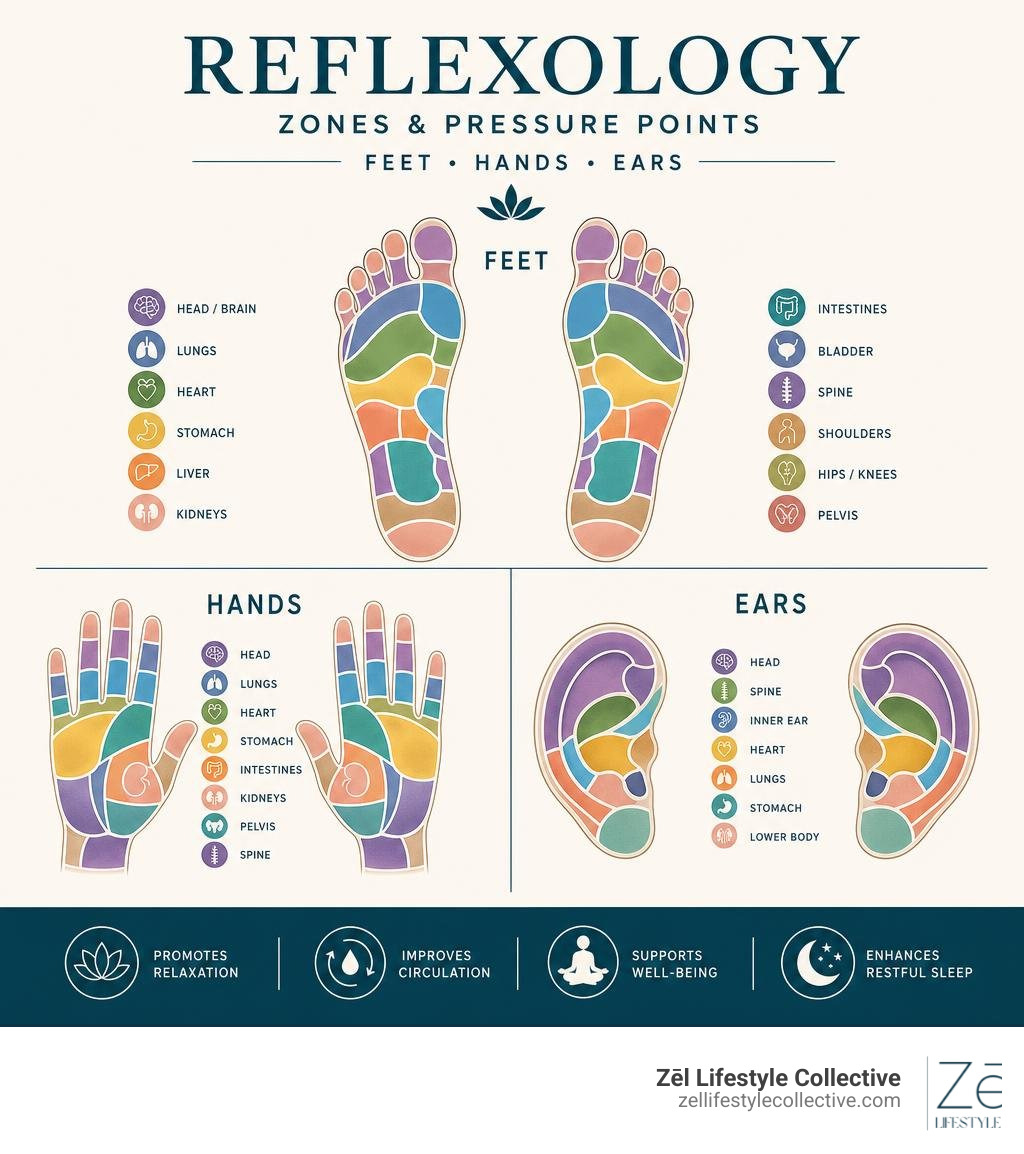
Reflexology is a hands-on therapy that applies targeted pressure to specific points on the feet, hands, and ears. Those points are mapped to organs and systems throughout your entire body. The result? Deep relaxation, improved circulation, and relief from everything from chronic tension headaches to poor sleep.
Here's what makes it different from a regular foot rub: it's not about the feet. It's about what those pressure points communicate to the rest of your body.
One client described feeling "a moment of actual happiness" after a single session — something she hadn't felt in years. Another reported going from barely being able to put on a shoe, due to a bone spur, to full mobility after just two appointments.
These aren't outliers. Research backs up what many people already feel: reflexology can meaningfully reduce pain, anxiety, and fatigue while improving sleep quality — particularly for people managing chronic stress or recovering from injury.
I'm Dr. Serif Krkic, a chiropractor and functional medicine practitioner, and at Zēl Lifestyle Collective I've seen how therapies like reflexology near me complement root-cause care for people dealing with chronic pain, hormonal imbalance, and stress-driven health decline. In this guide, I'll walk you through everything you need to know to find the right provider, prepare for your first session, and get the most out of every treatment.
What is Reflexology and How Does It Work?
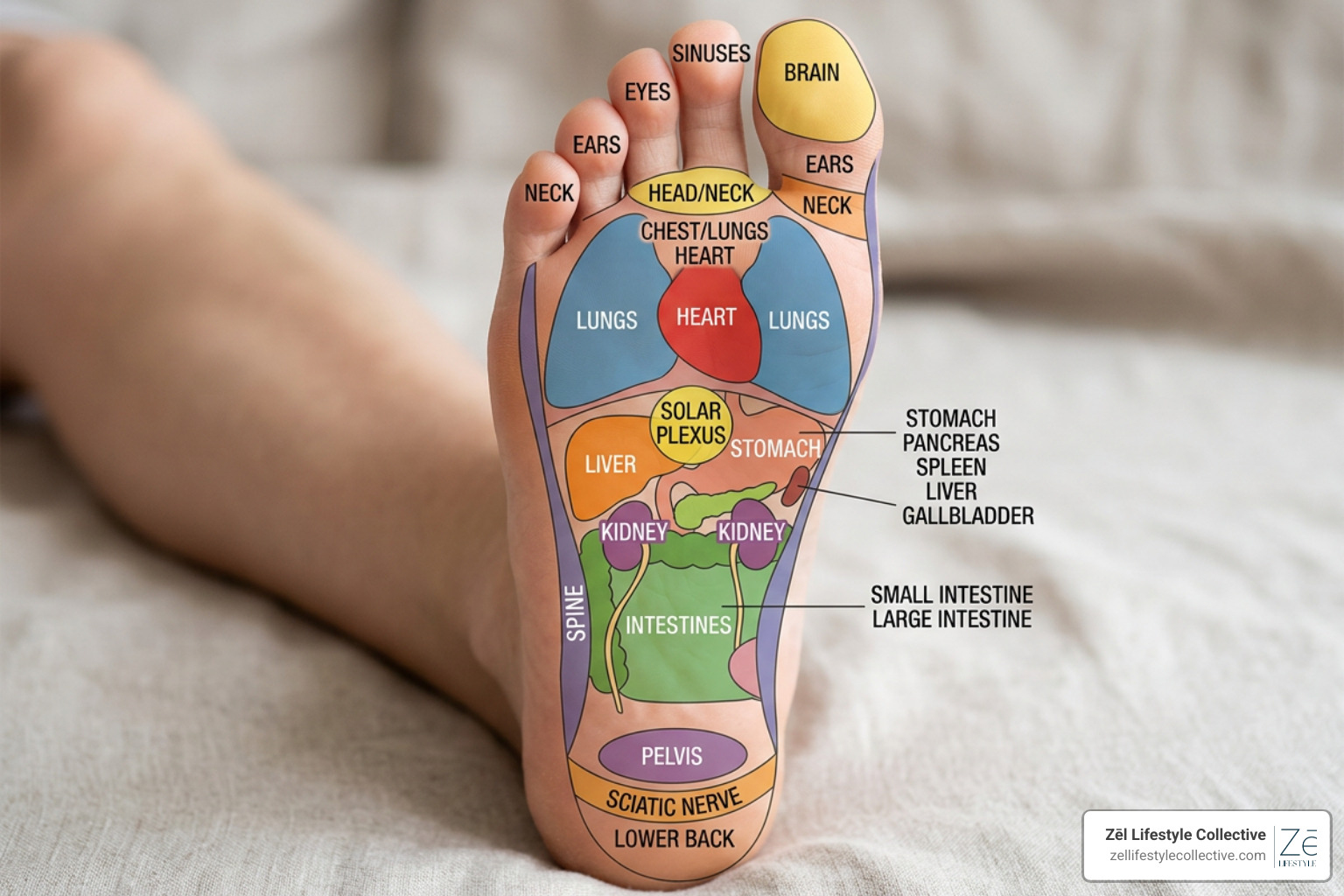
To understand reflexology, we have to look past the surface of the skin. Reflexology is an ancient healing art based on the principle that there are micro-systems on our bodies—specifically on our feet, hands, and outer ears—that act as a mirror to the entire body. By applying targeted, structured pressure to these specific reflex points, a practitioner can stimulate a healing response in corresponding organs, glands, and systems.
Historically, the roots of this practice stretch back to ancient Egypt and China, but modern reflexology was structured in the early 20th century. A major pioneer of this work was Eunice Ingham, an American physical therapist often called the mother of modern reflexology. Ingham mapped the feet in meticulous detail, discovering that the reflexes on the feet are highly responsive to pressure, and developed what is known today as the Ingham Method.
But how does pressing on your big toe help ease a headache, or working on your heel comfort a tight lower back?
It all comes down to anatomy. Each of your feet contains roughly 7,200 nerve endings. These nerve pathways are deeply intertwined with your central nervous system. When a reflexologist works on these points, they are not just massaging muscle tissue; they are sending electrical and energetic impulses through the nervous system and energy pathways (similar to the meridians used in traditional Chinese medicine). This manual stimulation helps clear internal blockages, improves the flow of energy, and prompts the body to return to its natural state of equilibrium.
To explore the clinical evidence behind these physiological shifts, you can read through the peer-reviewed clinical literature available on the National Center for Biotechnology Information.
The Science Behind Reflexology and the Nervous System
If you are a skeptic who needs hard science before booking a session, you are in the right place. Reflexology is not magic; it is a neurological intervention.
When a practitioner applies pressure to a reflex point, sensory receptors in the skin send afferent signals (incoming sensory messages) directly to the brain and spinal cord. In response, the brain modulates the autonomic nervous system. Specifically, it dials down the sympathetic nervous system (your "fight-or-flight" stress response) and ramps up the parasympathetic nervous system (your "rest-and-digest" recovery response).
This shift in autonomic tone does a few amazing things:
Lowers Cortisol: It reduces the production of stress hormones, which are responsible for systemic inflammation.
Releases Endorphins: It triggers the release of your body's natural painkillers, which block pain signaling pathways.
Improves Blood and Lymph Flow: It dilates blood vessels, allowing oxygen-rich blood and lymphatic fluid to circulate more freely, carrying away cellular waste.
Essentially, by working on the feet, we are hacking the nervous system to turn off the body's internal alarm system, allowing natural healing to take place.
Reflexology vs. Foot Massage: Understanding the Difference
Many people confuse reflexology with a standard foot massage, but they are entirely different modalities designed for different purposes.
A foot massage is a localized treatment. The therapist uses long, flowing strokes (like effleurage) to release tension in the muscles, tendons, and soft tissues of the feet. It feels wonderful, but its therapeutic benefits are generally confined to the feet themselves.
Reflexology, on the other hand, is a systemic, root-cause treatment. The practitioner uses precise, thumb-and-finger walking techniques to apply firm, localized pressure to specific mapped reflex points. The goal is not just to relax the foot, but to stimulate healing in corresponding organs and systems throughout the entire body.
Feature Standard Foot Massage Reflexology Primary Focus Localized muscles, tendons, and soft tissues of the foot. Mapped reflex points corresponding to organs and systems. Technique Used Broad strokes, kneading, and rubbing. Thumb-and-finger "walking," precise point pressure. Primary Goal Localized relaxation and muscle tension relief. Systemic wellness, nervous system balance, targeted healing. Areas Treated Feet and ankles only. Entire body (via reflex maps on feet, hands, and ears). Approach General relaxation. Protocol-driven and clinical.
Health Benefits: What Can a Reflexology Session Treat?
Because reflexology works through the nervous system, its health benefits are far-reaching. It is an exceptional tool for everyday stress reduction, circulation enhancement, and lymphatic support.
When your circulation is sluggish, your cells do not get the oxygen and nutrients they need to thrive, and metabolic waste builds up. By stimulating the circulatory and lymphatic systems, reflexology helps flush toxins out of your tissues, reduces swelling (especially in the lower extremities), and boosts your immune system.
Additionally, because it lowers autonomic arousal, reflexology is highly effective at improving sleep quality. If you struggle with insomnia or wake up feeling unrefreshed, calming your nervous system via your feet can help you drift into a deeper, more restorative sleep.
For those looking for a comprehensive approach to stress and wellness, combining reflexology with acupuncture services can provide a powerful, dual-action reset for the mind and body.
Managing Chronic Pain, Migraines, and Sports Injuries
If you are dealing with persistent physical discomfort, reflexology can be a game-changer. It is frequently used to manage chronic pain conditions like arthritis, fibromyalgia, back pain, and neuropathy.
For those who suffer from tension headaches and migraines, targeting the reflex points on the toes (which correspond to the head, brain, and sinuses) can significantly reduce both the frequency and intensity of attacks.
Athletes also turn to reflexology to accelerate recovery from sports injuries. If you have plantar fasciitis, a sprained ankle, or chronic foot pain, targeted reflex work can reduce local inflammation, break up scar tissue, and restore mobility. It is a non-invasive way to get back on your feet faster. You can review clinical trials on manual therapies and pain reduction by searching the database at the National Center for Biotechnology Information.
Supporting Hormonal Balance and Digestive Health
Our endocrine and digestive systems are incredibly sensitive to stress. When you are constantly stressed, high cortisol levels disrupt thyroid function, throw off blood sugar regulation, and interfere with reproductive hormones.
Reflexology helps restore order by targeting the endocrine reflexes—specifically the adrenal glands, thyroid, pancreas, and reproductive organs. By regulating these points, we can support hormonal balance, ease menstrual discomfort, and improve overall energy levels.
Similarly, your gut and brain are in constant communication. When stress levels drop during a reflexology session, your digestive tract relaxes. This makes reflexology highly beneficial for people dealing with irritable bowel syndrome (IBS), chronic constipation, acid reflux, and sluggish detoxification. It quite literally helps your body digest and eliminate more efficiently.
What to Expect During Your First Reflexology Session

If you have never had a reflexology session before, you might be wondering what actually happens when you walk through the door.
First, you do not need to undress. Unlike a traditional full-body massage, reflexology is performed while you remain fully clothed. We recommend wearing loose, comfortable pants that can easily be rolled up to your knees so the practitioner can access your lower legs and ankles.
Your session will begin with a brief consultation. The practitioner will ask about your health history, current stress levels, any areas of pain, and your specific wellness goals.
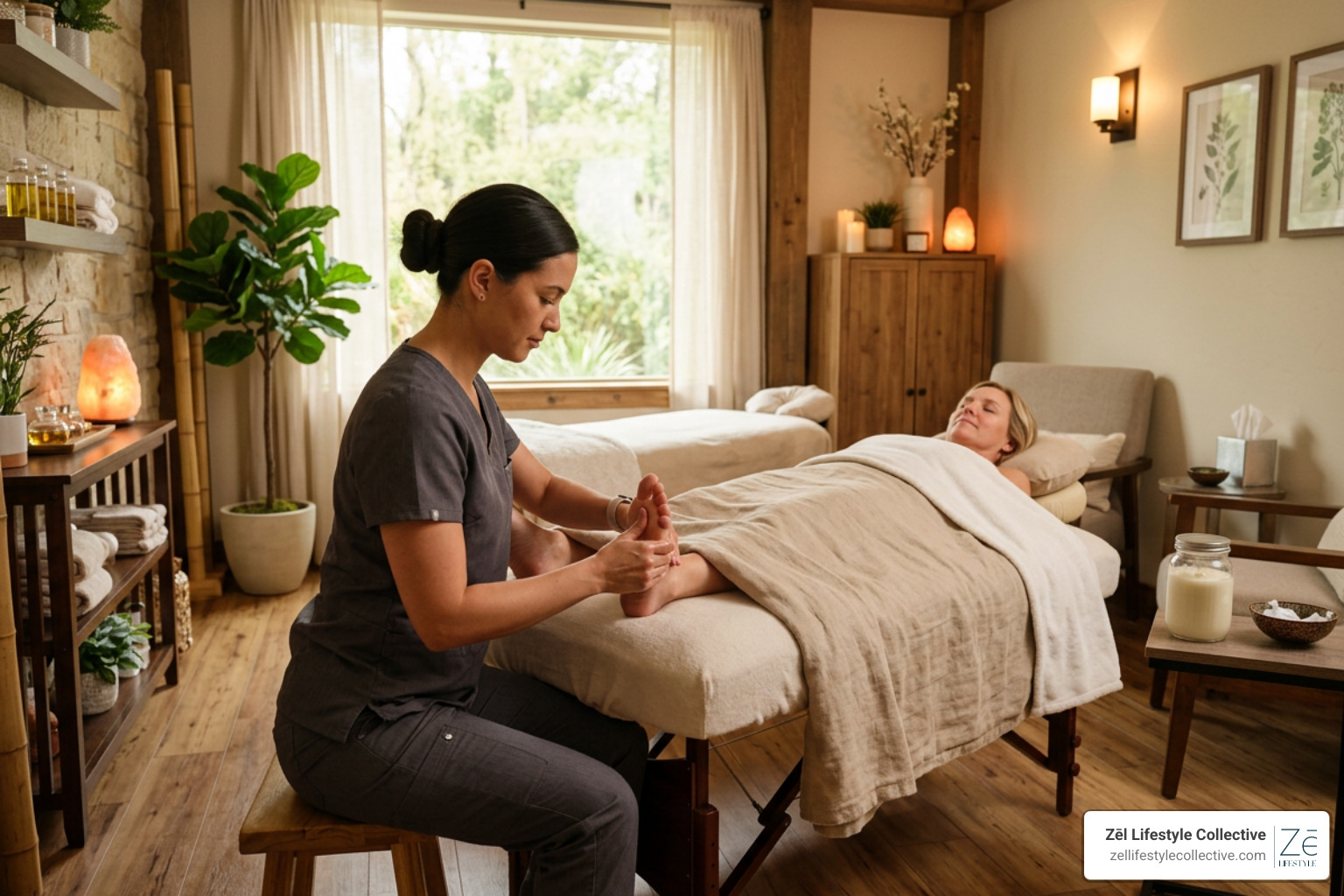
After the intake, you will lie down on a comfortable, padded massage table or recline in a specialized chair. The practitioner will clean your feet with warm towels or a gentle spray, and then begin systematically working through the reflex zones on both feet (and sometimes your hands and ears, depending on the session length).
The pressure used is firm and purposeful, but it should never feel agonizing. You may experience areas of "good hurt" or mild tenderness when the practitioner hits a reactive point—which often indicates that the corresponding organ or body area needs a little extra support. Always communicate your comfort level so your practitioner can adjust their pressure.
Session Lengths, Pricing, and Frequency
Reflexology treatments are highly customizable to fit your schedule, budget, and health needs.
30-Minute Sessions: Best for targeted maintenance, acute spot relief (like a sudden flare-up of sinus pressure or plantar fasciitis), or as an add-on to other therapies.
60-Minute Sessions: The standard format. This allows the practitioner to perform a balanced, thorough, multi-zone treatment working through all the major reflex systems of the feet.
90-Minute Sessions: The ultimate therapeutic experience. This extended format usually integrates hand and ear reflexology, along with deeper work on chronic tension areas.
In terms of pricing, reflexology sessions typically cost between $40 and $90 per hour, with most clients paying around $60 for a comprehensive 60-minute treatment.
For session frequency, we generally recommend starting with a series of 4 to 8 weekly or bi-weekly sessions if you are addressing a specific chronic issue (like migraines, digestive trouble, or injury recovery). Once your symptoms improve, transitioning to a monthly maintenance session is an excellent way to keep your nervous system balanced and prevent future issues.
Contraindications: Who Should Avoid Reflexology?
While reflexology is incredibly safe and non-invasive, it is not suitable for everyone. There are certain health conditions where applying pressure to the feet can be dangerous. You should avoid reflexology if you have:
Deep Vein Thrombosis (DVT) or Blood Clots: Increased circulation can potentially dislodge a clot.
Severe Osteoporosis in the Feet: Fragile bones in the feet could be injured by firm pressure.
Active Gout Flare-ups: The intense inflammation makes any pressure extremely painful.
Open Foot Ulcers, Wounds, or Severe Fungal Infections: These present hygiene and infection risks.
Uncontrolled Diabetes with Severe Neuropathy: Lack of sensation makes it difficult to provide accurate pressure feedback.
If you are pregnant, reflexology can be wonderfully supportive for relieving back pain, nausea, and swelling. However, certain reflex points can stimulate uterine contractions, so it is vital to work with a practitioner trained in prenatal protocols and to consult your OB-GYN before booking.
How to Find the Best Reflexology Near Me
When you are ready to book a session, searching for reflexology near me is the easiest way to start. However, you do not want to walk into just any nail salon or mall kiosk. To get true therapeutic benefits, you need to find a qualified, professional practitioner.
The gold standard for reflexology credentials in the United States is certification by the American Reflexology Certification Board (ARCB). Practitioners certified by the ARCB have completed rigorous training, passed comprehensive written and practical exams, and adhere to a strict code of ethics.
To find a certified professional in our state, you can search the Reflexology Association of Ohio Practitioner Directory.
What to Look For in a Certified Reflexologist Near Me
As you search, keep these key factors in mind to ensure you choose a high-quality provider:
Credentials and Licensing: Ensure they are a Licensed Massage Therapist (LMT) with specialized reflexology training, or an ARCB-certified reflexologist.
Clinical Experience: Look for practitioners who understand the clinical applications of reflexology, rather than just offering it as a basic spa pampering service.
Client Reviews: Read reviews on Google or Yelp. Look for feedback mentioning specific improvements in pain, stress, or sleep.
Booking Your First Session of Reflexology Near Me
Most reputable wellness clinics make booking simple with online scheduling tools. When you book, we recommend scheduling an initial consultation alongside your treatment. This ensures your therapist has ample time to discuss your medical history, pinpoint your reactive zones, and design a personalized treatment plan tailored to your body's needs.
If you want to experience the profound benefits of clinical bodywork, you can learn more about our approach by visiting our massage therapy services page.
Frequently Asked Questions about Reflexology
Does reflexology hurt?
Reflexology should not be painful, but it is also not a feather-light tickle. It involves firm, therapeutic pressure. When your practitioner works on "reactive points"—areas corresponding to parts of your body holding tension or imbalance—you might feel a pinch-like sensation, mild tenderness, or a sensation that feels like "graininess" under the skin. This is completely normal therapeutic discomfort. Your practitioner will always communicate with you and adjust their pressure to keep you comfortable.
What should I do for aftercare following a session?
To maximize the benefits of your reflexology session, we recommend a few simple aftercare practices:
Hydrate: Drink plenty of water to help your kidneys flush out the metabolic waste and toxins released during the session.
Rest: Avoid high-intensity workouts or heavy exertion for the rest of the day. Allow your nervous system to stay in its relaxed, parasympathetic state.
Gentle Movement: Light walking or gentle stretching can help keep blood and lymph moving.
Avoid Alcohol and Heavy Meals: Keep things light so your body can focus its energy on healing and recovery.
Can reflexology be combined with other holistic therapies?
Absolutely! In fact, reflexology works beautifully when integrated into a broader, holistic wellness plan. At Zēl Lifestyle Collective, we believe that addressing health from multiple angles yields the best results.
Combining reflexology with chiropractic services can help align your skeletal system while relaxing the nervous system that controls your muscles. It also pairs wonderfully with cupping therapy to release deep myofascial tension, or with acupuncture to double down on balancing your body's energy pathways.
Conclusion
At Zēl Lifestyle Collective in Tallmadge, Ohio, we do not believe in superficial, temporary fixes. Our mission is to provide personalized, holistic, root-cause treatments that help you reclaim your health, vitality, and peace of mind. Whether you are dealing with chronic pain, stubborn migraines, hormonal imbalances, or the crushing weight of everyday stress, we are here to support your journey back to balance.
Reflexology is a time-tested, scientifically backed way to soothe your nervous system, boost your circulation, and stimulate your body's innate healing capacity.
If you are ready to stop just getting by and start truly thriving, we invite you to take the next step. Schedule a professional massage therapy session today and experience the life-changing benefits of expert, personalized care.