The Ins and Outs of Cupping Therapy Benefits
What Is Cupping Therapy? A Quick Answer
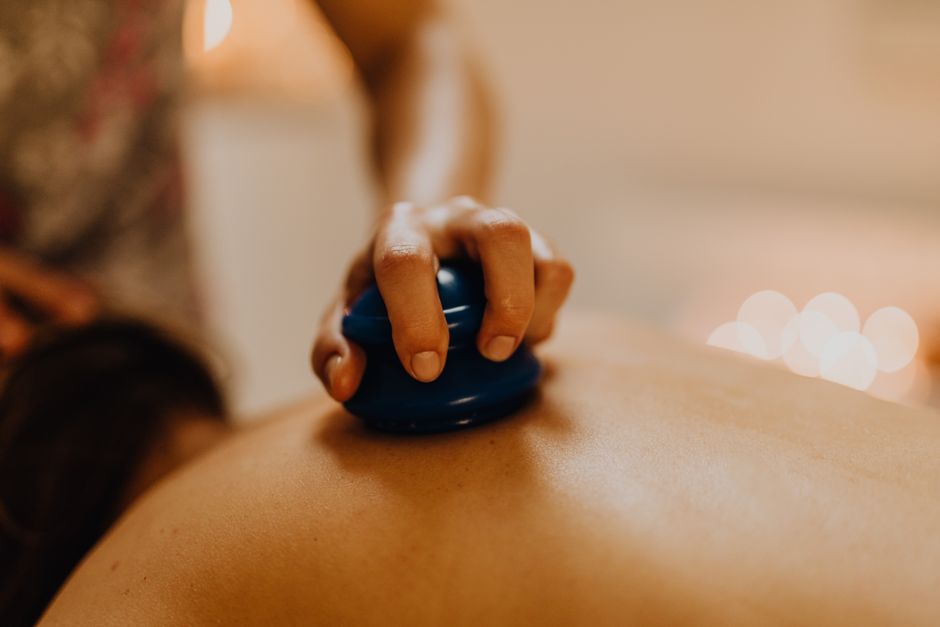
Cupping therapy is an ancient healing technique that places suction cups on the skin to increase blood flow, relieve muscle tension, and support the body's natural recovery processes.
Here's what you need to know at a glance:
Question Quick Answer What is it? A therapy using suction cups applied to the skin How does it work? Negative pressure lifts tissue, boosts circulation, and stimulates healing What does it treat? Muscle pain, headaches, tension, and more Does it hurt? Mild tightness during treatment; some soreness after How long do marks last? Typically 1 to 10 days Is it safe? Yes, when performed by a trained practitioner
It's been practiced for over 5,500 years — from ancient Egypt and China to modern sports medicine clinics. When Michael Phelps showed up at the 2016 Olympics covered in purple circles, millions of people suddenly wanted to know: what is that, and does it actually work?
The short answer is yes — with some important context. The evidence is growing, and for the right person, cupping can be a genuinely effective tool for pain relief and recovery.
I'm Dr. Serif Krkic, a chiropractor and functional medicine practitioner with a background in exercise physiology and performance medicine. I regularly incorporate cupping therapy into personalized treatment plans at Zēl Lifestyle Collective, helping busy, high-performing individuals address chronic pain and muscle tension at the root level. Let's break down exactly how it works, what the science says, and whether it might be right for you.
Understanding Cupping Therapy: History, Types, and Modern Practice
To truly appreciate the benefits of cupping therapy, it helps to understand where it comes from and how the practice has evolved. Far from a modern wellness trend popularized by Hollywood celebrities, cupping is one of the oldest medical modalities in human history.
The Ancient Origins of Cupping
The roots of cupping therapy stretch back approximately 5,500 years. Its earliest recorded medical use is found in the ancient Egyptian Ebers Papyrus, written around 1550 B.C., where physicians documented using suction to treat systemic issues like fevers, localized pain, vertigo, and menstrual irregularities.
Beyond Egypt, ancient Macedonian and Greek civilizations embraced the practice. Hippocrates, often regarded as the father of modern medicine, detailed instructions for using two distinct types of cups: narrow-mouthed cups to draw out deep-seated fluids, and wider cups to address widespread pain.
Meanwhile, in Asia, cupping became a cornerstone of Traditional Chinese Medicine (TCM). Known historically as báguàn (or "pulling-up jars"), it was used to balance Qi (energy flow) and restore harmony between Yin and Yang. The practice traveled along trade routes through Asian and European civilizations, gaining deep cultural and religious significance in the Middle East, where wet cupping (known as hijama) was widely practiced and recommended. You can explore a deeper historical overview of cupping to see how this ancient art spread globally over the centuries.
Different Types of Cupping Therapy
As the practice evolved, different cultures developed unique ways to create suction. Today, practitioners categorize cupping into several distinct types depending on the equipment and methods used:
Dry Cupping: The most common form in Western sports medicine and physical therapy. The practitioner places cups on the skin and uses a manual hand pump or mechanical suction device to create a vacuum. Because it does not involve blood or skin incisions, it is highly favored for its safety and ease of use in clinical settings.
Wet Cupping (Hijama): This method involves a two-step process. First, a cup is applied to create mild suction for a few minutes. The cup is removed, and the practitioner makes tiny, superficial scratches or micro-punctures on the skin's surface. The cup is reapplied to draw out a small amount of blood. Studies show that this fluid contains elevated concentrations of metabolic waste products, including uric acid, cholesterol, and urea.
Fire Cupping: A traditional technique where a cotton ball soaked in alcohol is lit, placed briefly inside a glass cup to consume the oxygen, and quickly removed before the cup is pressed onto the skin. As the air inside the cup cools, it contracts, creating a powerful natural vacuum.
Massage Cupping (Running Cupping): Rather than leaving the cups stationary, the practitioner applies massage oil or lotion to the skin first. Once suction is established, the cups are glided smoothly across muscle groups (such as the upper back or hamstrings). This acts as an intense, reverse-pressure deep tissue massage.
To help you understand the core differences between the two most widely researched modalities, we have put together this comparison table:
Feature Dry Cupping Wet Cupping Primary Mechanism Pure negative pressure (suction) Suction combined with superficial micro-incisions Fluid Extraction None (non-invasive) Draws out small amounts of blood and interstitial fluid Western Popularity Extremely high in sports medicine and rehabilitation Less common; primarily practiced in traditional or religious contexts Typical Session Duration 5 to 10 minutes per area 10 to 15 minutes total Hygiene Requirements Standard sanitization of cups and skin Strict biohazard protocols, sterile PPE, and disposable blades
Whether you are looking to ease everyday stiffness or optimize athletic performance, understanding these variations allows us to customize your session. To dive deeper into how these methods are utilized in modern healthcare, read this comprehensive overview of cupping types.
The Science and Physiological Mechanisms of Action
While traditional theories explain cupping in terms of energy flow and bodily humors, modern medical science looks at the physical, cellular, and neurological changes that occur when negative pressure is applied to the body.
How Cupping Therapy Affects Fascia and Blood Flow
Most manual therapies—such as deep tissue massage, foam rolling, or chiropractic adjustments—rely on positive pressure (pushing down on the tissue). Cupping does the exact opposite: it utilizes negative pressure to pull the tissue upward.
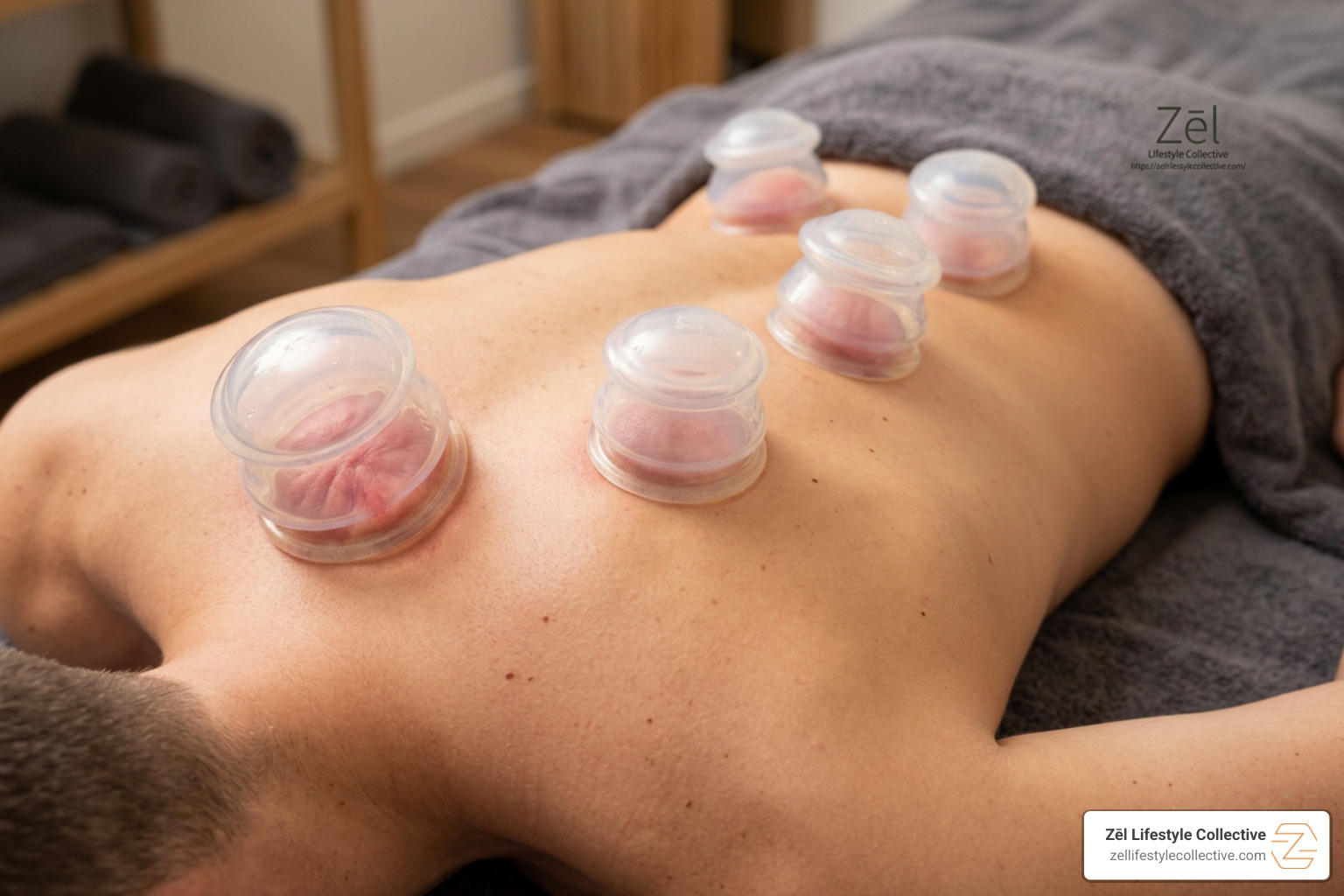
This pulling action creates a phenomenon known as fascial decompression. Fascia is the continuous, web-like sheet of connective tissue that wraps around every muscle, bone, nerve, and blood vessel in your body. When fascia becomes dehydrated, injured, or inflamed, it sticks together, causing "densification" and restricting your range of motion.
By lifting the skin and superficial fascia away from the underlying muscle, cupping:
Enhances Fascial Glide: It physically separates bound-up tissue layers, allowing muscles to slide smoothly past one another.
Boosts Microcirculation: The suction expands and breaks open microscopic capillaries beneath the skin. This micro-trauma triggers a localized healing response, prompting your body to flood the area with fresh, oxygenated, nutrient-rich blood.
Promotes Lymphatic Drainage: The negative pressure helps flush stagnant fluids, inflammatory proteins, and cellular debris out of the tissues and into the lymphatic system for disposal.
This mechanical decompression is why we often pair cupping with other manual modalities. To see how this fits into a broader recovery plan, learn more about massage therapy and how keeping your soft tissues supple prevents chronic injury.
Proposed Biological Theories
Researchers have proposed several overlapping neurophysiological models to explain how a simple suction cup can produce such profound systemic relief:
The Pain-Gate Theory: The intense sensory input of the suction stimulates rapid-traveling nerve fibers, which block slower pain signals from reaching the brain. Essentially, it "shuts the gate" on chronic pain messages.
Diffuse Noxious Inhibitory Control (DNIC): By creating a controlled, tolerable discomfort in one area, cupping triggers a systemic release of endogenous opioids (your body's natural painkillers, like endorphins), raising your overall pain tolerance.
The Nitric Oxide Theory: The mechanical stretch on the blood vessels stimulates the local release of nitric oxide, a powerful vasodilator. This dilates blood vessels, lowers local vascular resistance, and dramatically increases healing blood flow.
Immune System Activation: The controlled micro-injury under the cup prompts the immune system to release cytokines—small cellular signaling proteins that regulate inflammation and accelerate tissue remodeling.
For those interested in a deeper academic dive into the biochemistry of this process, you can read this detailed scientific review of cupping mechanisms.
Key Benefits and Conditions Treated
Because of its unique ability to decompress tissue and modulate the nervous system, cupping therapy is used to treat a wide array of musculoskeletal and systemic complaints.
Musculoskeletal Pain and Tension Relief
The most common reason patients seek out cupping is for localized pain relief. It is incredibly effective for stubborn knots, trigger points, and chronic tension in the upper back, shoulders, and hips.

Elite athletes have long relied on cupping to speed up recovery times between intense training sessions. When high-level competitors experience muscle damage, lactic acid and inflammatory byproducts pool in the muscle fibers. Cupping helps draw these fluids out of the deep tissue, allowing fresh blood to deliver the building blocks needed for cellular repair.
Clinical research supports these real-world observations. Studies have shown that cupping therapy significantly increases skin and muscle elasticity, improves joint range of motion, and reduces perceived soreness. If you are struggling with upper body tightness, combining cupping with acupuncture for shoulder pain can target both the structural and neurological aspects of your discomfort. Similarly, if you find yourself asking, "why do I have back pain?" cupping can help unpack the structural imbalances and fascial restrictions driving your daily aches.
Systemic and Chronic Conditions
While pain relief is the primary focus in Western clinics, cupping also shows promise for several chronic, systemic conditions:
Headaches and Migraines: Tension headaches and migraines often stem from severe tightness in the neck and suboccipital muscles. By releasing these tight bands and improving blood flow to the head, cupping can dramatically reduce headache frequency and intensity. In fact, clinical data on wet cupping indicates it can reduce average headache severity by up to 66% and decrease the number of headache days by an average of 12.6 per month.
Arthritis: For joint-related discomfort like knee osteoarthritis, cupping around the joint can reduce local inflammation and ease surrounding muscle guarding. Some studies have found cupping to be as effective for managing knee arthritis pain as standard daily doses of over-the-counter pain relievers.
Respiratory Support: Traditionally, fire cupping over the lungs was used to help break up phlegm and ease congestion from asthma, bronchitis, or common colds.
Digestive Issues: When applied gently to the abdomen, cupping can stimulate peristalsis (the wave-like muscle contractions of the digestive tract), helping with chronic constipation and bloating. This pairs beautifully with other holistic approaches, such as acupuncture for digestive issues, to restore balance to your gut-brain axis.
For an extensive look at the clinical trials and medical consensus surrounding these treatments, review the clinical evidence on cupping compiled by the National Institutes of Health.
Safety, Side Effects, and Contraindications
Cupping is a remarkably safe, non-invasive therapy when performed by a licensed, trained professional. However, because it exerts a strong physical force on the skin and cardiovascular system, it is vital to know what to expect and who should skip the treatment.
What to Expect: Side Effects and Cupping Marks
The most obvious side effect of cupping is the circular marks left behind. It is a common misconception that these marks are true bruises. A traditional bruise is caused by blunt-force trauma that crushes muscle fibers and blood vessels. Cupping marks, on the other hand, are the result of petechiae and purpura—microscopic droplets of blood drawn out of superficial capillaries into the space between the skin layers.
Because there is no muscle damage, these marks are rarely painful to the touch, though the skin might feel slightly warm or tight immediately after a session.
Common post-treatment expectations include:
Circular Discoloration: Ranging from light pink to deep purple, depending on the level of stagnation in the area.
Fading Timeline: Marks typically peak within the first 24 to 48 hours and completely fade within 1 to 10 days.
Mild Soreness: A sensation similar to the muscle soreness you feel the day after a challenging workout.
Temporary Fatigue: Because cupping stimulates the parasympathetic nervous system (your "rest and digest" mode), you may feel deeply relaxed or slightly sleepy after your session.
Who Should Avoid Cupping (Contraindications)
To ensure patient safety, we conduct a thorough health history before any cupping session. There are several absolute and relative contraindications where cupping must be avoided:
Pregnancy: While cupping can be helpful for pregnancy-related back pain, it should never be performed on the abdomen or lower back during pregnancy.
Active Medical Devices: Individuals with pacemakers or implanted defibrillators should avoid cupping, as the pressure changes can interfere with the device.
Bleeding and Vascular Disorders: Anyone with hemophilia, deep vein thrombosis (DVT), severe anemia, or those taking prescription blood thinners (like Warfarin) should avoid cupping due to the risk of uncontrolled bruising or bleeding.
Organ Failure: Patients experiencing renal, hepatic, or congestive heart failure are not candidates for cupping.
Compromised Skin: Cups should never be placed over open wounds, active sunburns, skin ulcers, bone fractures, or active flare-ups of eczema or psoriasis.
For a comprehensive breakdown of clinical safety protocols and guidelines, consult the official safety guidelines for cupping.
Frequently Asked Questions About Cupping
Does the treatment hurt?
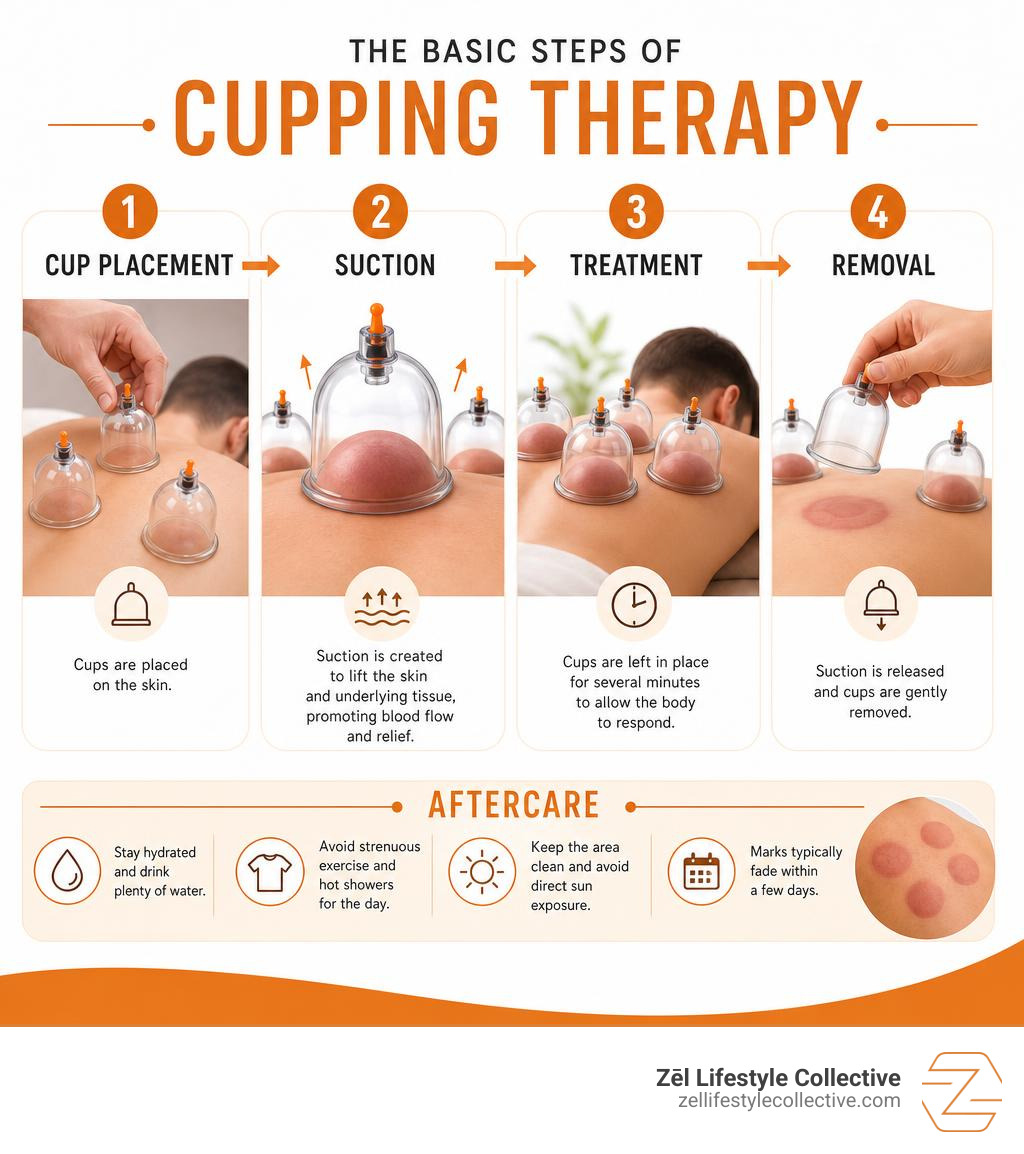
No, cupping should not be painful. Most patients find the sensation deeply relaxing. During the first minute of cup application, you will feel a distinct pulling or pinching sensation as the skin is drawn into the cup. This feeling of tightness quickly subsides as the nervous system adapts and the muscles begin to relax. If at any point the suction feels too intense, your practitioner can easily adjust the pressure using the release valve.
How long do cupping marks last?
While it varies based on your circulation and lymphatic health, most cupping marks fade within 1 to 10 days. If you have excellent circulation and stay well-hydrated, the marks may disappear in just a couple of days. If you are highly stagnant or dehydrated, they may linger for up to two weeks. To speed up the healing process, we recommend drinking plenty of water, keeping the treated area covered and warm, and avoiding intense direct heat (like hot tubs or saunas) for 24 hours post-treatment.
How does cupping compare to acupuncture or massage?
While all three therapies are excellent for tension relief, they target the body through different mechanisms:
Massage: Relies on positive pressure and manual manipulation to compress and stretch muscle fibers. It is highly systemic and deeply relaxing.
Acupuncture: Uses ultra-thin needles inserted at specific neurofunctional points to stimulate the nervous system, release endorphins, and modulate pain signals. If you are curious about this approach, you can explore our acupuncture services.
Dry Needling: Focuses strictly on inserting needles directly into myofascial trigger points to force a tight muscle band to twitch and release. You can learn more about this targeted approach through our dry needling services.
Cupping: Uses negative pressure to decompress tissues, separate fascial layers, and rapidly flush localized metabolic waste.
At Zēl Lifestyle Collective, we rarely use cupping in a vacuum (pun intended!). We frequently combine it with chiropractic adjustments, massage, or acupuncture to create a comprehensive, multi-layered recovery plan.
Conclusion
Cupping therapy is a time-tested, scientifically supported tool that bridges the gap between ancient healing wisdom and modern sports medicine. By utilizing negative pressure to decompress tight fascia, flush stagnant fluids, and trigger your body's natural healing cascade, cupping offers a powerful pathway to pain relief, improved mobility, and faster recovery.
At Zēl Lifestyle Collective in Tallmadge, Ohio, we do not believe in one-size-fits-all treatments. We take a personalized, holistic, root-cause approach to your health. Whether you are an athlete looking to bounce back from intense training, a busy professional trying to conquer chronic tension headaches, or someone seeking relief from persistent back pain, we design our therapies around your unique body and goals.
Ready to experience the deep relief of fascial decompression for yourself? Schedule a cupping therapy session with our expert team in Tallmadge, Ohio today, and let us help you move, feel, and live better.