
Insulin Resistance Workup: What to Expect From Fasting Blood Tests
Why Insulin Resistance Fasting Labs Matter Before Your Numbers Look "Normal"
Insulin resistance fasting labs are the group of blood tests that can reveal early metabolic dysfunction — often years before your A1c or glucose ever flag as abnormal.
Here is a quick look at the core tests involved:
Lab Test What It Measures Why It Matters Fasting Insulin Insulin level after overnight fast Rises years before glucose changes Fasting Glucose Blood sugar after fasting Baseline for HOMA-IR calculation HOMA-IR Calculated insulin resistance score Values above 2.0–2.5 suggest early IR Triglycerides Blood fat levels ≥150 mg/dL linked to insulin resistance HDL Cholesterol "Good" cholesterol Low HDL paired with high triglycerides is a key warning sign HbA1c 3-month average blood sugar Often normal even when insulin is already elevated
Here is the problem most people run into: standard annual bloodwork is designed to catch diabetes, not prevent it. By the time your fasting glucose crosses 100 mg/dL or your A1c nudges toward 5.7%, your pancreas may have already been working overtime for a decade — pumping out extra insulin just to keep your blood sugar looking "fine."
That silent compensation phase is exactly what this guide is about.
If you are in your 40s and noticing weight creeping onto your midsection, energy crashes after meals, or stubborn fatigue that does not match your lab results — your standard panel may be missing the real story.
I'm Dr. Serif Krkic, co-founder of Zēl Lifestyle Collective and a functional and performance medicine practitioner specializing in advanced diagnostics, including insulin resistance fasting labs as part of comprehensive metabolic workups. My background in exercise physiology and root-cause medicine shapes how I help high-performing individuals identify and reverse metabolic dysfunction before it becomes a diagnosis.
Why Standard Glucose Tests Miss Early Metabolic Dysfunction
When you go in for your annual checkup, your doctor likely orders a basic panel: fasting blood glucose and Hemoglobin A1c (HbA1c). If these numbers come back within the standard reference ranges, you are usually given a pat on the back and told everything looks great.
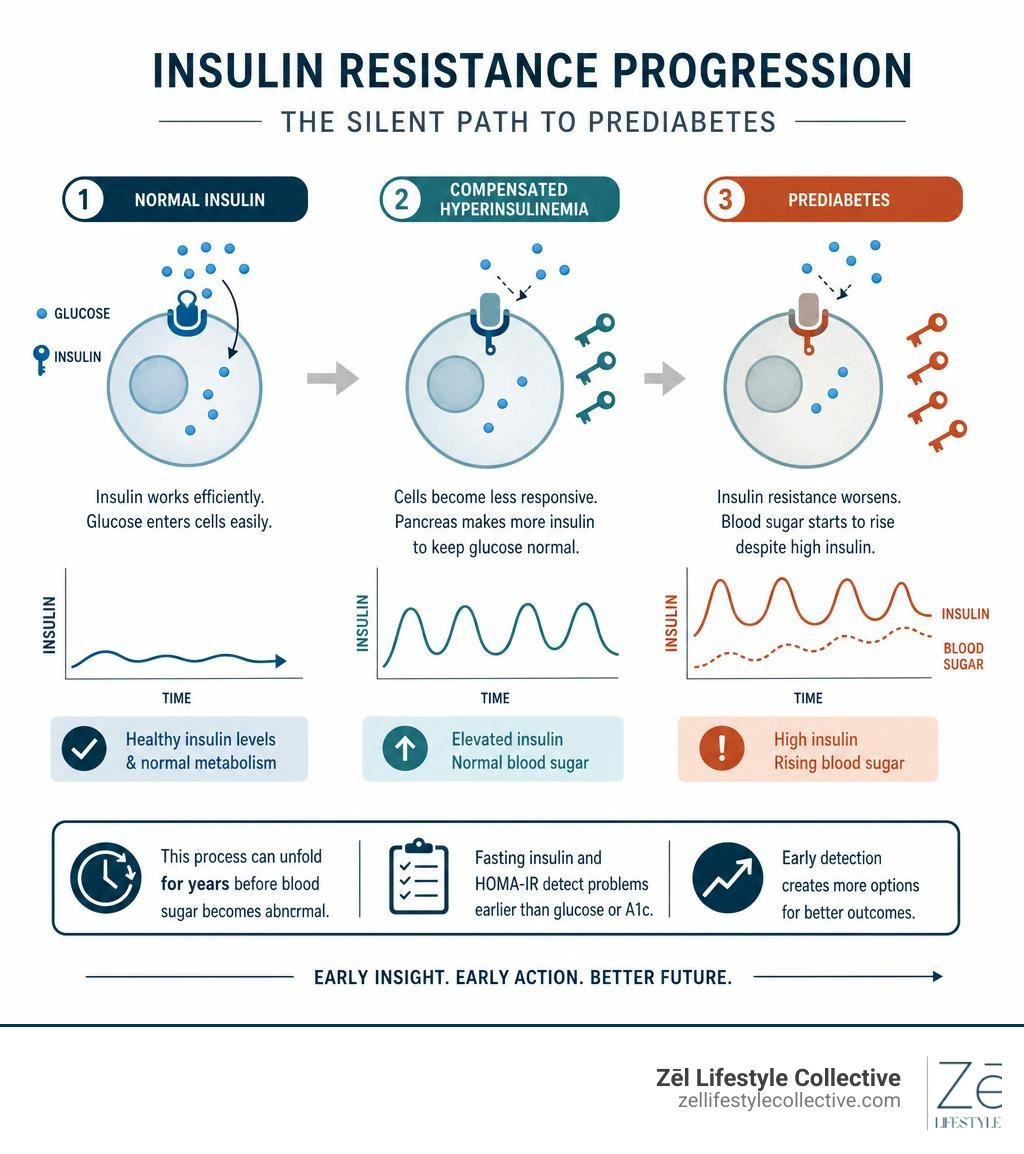
But here is the catch: your body prioritizes keeping your blood sugar stable above almost everything else. When your muscle, fat, and liver cells begin ignoring the signals of insulin—a condition known as insulin resistance—your pancreas does not just give up. Instead, it compensates by pumping out increasingly large amounts of insulin to force that glucose out of your bloodstream and into your cells.
This means you can have perfectly normal fasting blood sugar and a normal HbA1c while your body is secretly in a state of hyperinsulinemia (chronically high insulin). This compensated phase can last for 5, 10, or even 15 years. During this time, your pancreatic beta-cells are working overtime, slowly marching toward beta-cell exhaustion.
By the time your fasting glucose finally climbs above 100 mg/dL or your HbA1c crosses the prediabetes threshold of 5.7%, up to 50% of your beta-cell function may already be lost.
Standard HbA1c testing is a lagging indicator. It measures the percentage of red blood cells coated with sugar over the last 90 days. While it is an excellent tool for diagnosing established type 2 diabetes or prediabetes, it is notoriously blind to the early stages of metabolic dysfunction. To truly understand your metabolic health, you need an Insulin Resistance Test With Normal A1c that evaluates how hard your body is working to maintain those "normal" glucose levels.
At Zēl Lifestyle Collective, we use Functional Lab Testing to look beyond standard disease-care metrics. We want to identify the subtle shifts in your biochemistry today so we can prevent chronic metabolic conditions tomorrow.
Essential Insulin Resistance Fasting Labs to Request
If we want to pull back the curtain on your metabolism, we have to look at the right markers. We recommend a comprehensive panel of insulin resistance fasting labs that evaluates both the fuel (glucose) and the driver (insulin), along with the secondary metabolic ripples they create.

To get a complete metabolic picture, you should request the following core markers:
Fasting Insulin: The absolute cornerstone of early metabolic screening. It measures the baseline amount of insulin circulating in your bloodstream after an overnight fast.
Fasting Glucose: Measures the amount of free sugar in your blood. While on its own it is a late marker, it is essential for calculating your overall insulin sensitivity when paired with fasting insulin.
Lipid Panel (specifically Triglycerides and HDL): These fats offer immediate, actionable clues to how your liver is processing energy.
To understand why these markers are so critical and how they serve as early indicators of metabolic dysfunction, it helps to read more about Fasting Insulin and HOMA-IR: The Overlooked Early-Warning Labs . By utilizing comprehensive Lab Testing, we can map out these patterns and build a personalized plan to restore your metabolic flexibility.
Understanding Fasting Insulin Reference Ranges
When you receive your fasting insulin lab results, you might notice the laboratory's "normal" reference range is incredibly wide—often spanning from 2.0 to 24.9 µIU/mL.
Here is the problem: standard lab reference ranges are calculated using a bell curve of the general population. In a country where metabolic dysfunction is incredibly common, using the "average" population as a benchmark for optimal health is a major mistake. A fasting insulin of 18 µIU/mL might be labeled "normal" by a commercial lab, but in preventive medicine, it is a flashing red light.
According to a review on the Diagnostic Tools For Insulin Resistance: A... : Journal of Diabetology , a fasting insulin level above 12.2 mU/L (equivalent to µIU/mL) is highly suggestive of insulin resistance.
In our practice, we use functional ranges to guide our patients toward optimal longevity:
Optimal: 2.0 to 6.0 µIU/mL. This indicates high insulin sensitivity; your body only needs a tiny whisper of insulin to keep blood sugar stable.
Concerning (Early Resistance): 6.1 to 10.0 µIU/mL. Your pancreas is starting to raise its voice.
High Risk (Established Insulin Resistance): >10.0 to 12.0 µIU/mL. Even with normal glucose, your body is working significantly harder to manage its energy.
Severe Insulin Resistance: >15.0 µIU/mL. This represents marked compensation and a high likelihood of progressing toward prediabetes or metabolic syndrome.
How to Calculate and Interpret HOMA-IR
Measuring fasting insulin is highly valuable, but pairing it with fasting glucose gives us a mathematical snapshot of your insulin sensitivity called the HOMA-IR (Homeostatic Model Assessment of Insulin Resistance).
HOMA-IR is calculated using a simple formula:
For example, let's look at two patients with the exact same "normal" fasting glucose of 90 mg/dL:
Patient A: Fasting Insulin is 5 µIU/mL.
HOMA-IR = (5 × 90) ÷ 405 = 1.11(Optimal insulin sensitivity)Patient B: Fasting Insulin is 15 µIU/mL.
HOMA-IR = (15 × 90) ÷ 405 = 3.33(Severe insulin resistance)
Despite having identical blood sugar levels, Patient B's tissues are highly resistant to insulin, requiring three times as much hormone to do the same job.
We interpret HOMA-IR values as follows:
Optimal (<1.0): Excellent insulin sensitivity.
Early Insulin Resistance (1.0 to 1.9): Mild resistance; a perfect window for early lifestyle intervention.
Established Insulin Resistance (2.0 to 2.9): Suspicious for metabolic syndrome; requires active management.
Severe Insulin Resistance (≥3.0): High risk of progressing to type 2 diabetes and cardiovascular complications.
Identifying these subtle shifts allows us to design Personalized Health Solutions that target the root cause of your metabolic fatigue rather than waiting for your blood sugar to fail.
Beyond Glucose: Lipid Patterns and Physical Markers
If you want to spot insulin resistance early, look no further than your standard lipid panel. When insulin levels are chronically elevated, it signals the liver to produce more fat—specifically triglycerides—while simultaneously accelerating the breakdown of HDL (the "good" cholesterol).
Because of this physiological relationship, a Triglyceride-to-HDL ratio is a remarkably robust surrogate marker for insulin resistance.
Optimal Ratio: <1.5 (e.g., Triglycerides of 75 mg/dL and HDL of 60 mg/dL yields a ratio of 1.25)
Concerning Ratio: >2.0
High Risk Ratio: >3.0 (Highly predictive of insulin resistance and atherogenic LDL patterns)
Even if your A1c is a perfect 5.2%, a triglyceride level ≥150 mg/dL combined with an HDL below 40 mg/dL (for men) or 50 mg/dL (for women) is a classic metabolic warning sign.
Physical markers also play a massive role in how we interpret your bloodwork. Central adiposity (carrying weight primarily around your midsection) is both a cause and a consequence of insulin resistance. Visceral fat—the fat that wraps around your internal organs—is highly active metabolically, releasing inflammatory cytokines that worsen insulin resistance.
We look at waist circumference thresholds as a primary diagnostic clue:
Europid Populations: Men ≥94 cm (approx. 37 inches), Women ≥80 cm (approx. 31.5 inches) indicate increased metabolic risk.
General US Guidelines: Men ≥40 inches, Women ≥35 inches indicate high risk.
If you are struggling with stubborn belly fat despite eating well and exercising, your body may be trapped in an insulin-dominant state. You can learn more about how to break this cycle in our Metabolic Weight Loss Complete Guide.
When to Consider an Oral Glucose Tolerance Test (OGTT)
While fasting blood tests are incredibly informative, they only show us how your body behaves at rest. Sometimes, we need to see how your metabolism handles a challenge. This is where an Oral Glucose Tolerance Test (OGTT) with insulin measurements comes in.
During an OGTT, you drink a standardized 75-gram glucose beverage, and your blood is drawn at specific intervals (typically at 0, 30, 60, 120, and sometimes 180 minutes) to measure both glucose and insulin.
We look at two primary advanced metrics from this test:
Matsuda Index: A mathematical formula that calculates whole-body insulin sensitivity using both fasting and post-challenge values. It correlates highly with the expensive and invasive "gold standard" research clamp studies.
Kraft Patterns: Named after Dr. Joseph Kraft, these patterns look at the shape of your insulin curve over three hours. A healthy curve peaks early (around 30 minutes) and drops quickly. A delayed insulin peak or a prolonged high insulin tail indicates early-stage tissue resistance, even if your post-meal glucose remains normal.
According to the standard Insulin Resistance Workup guidelines, dynamic testing like an OGTT with insulin is particularly helpful for individuals with normal fasting glucose who still experience severe post-meal energy crashes, unexplained nerve issues, or a strong family history of type 2 diabetes.
Clinical Protocols: Preparation and Retesting Cadence
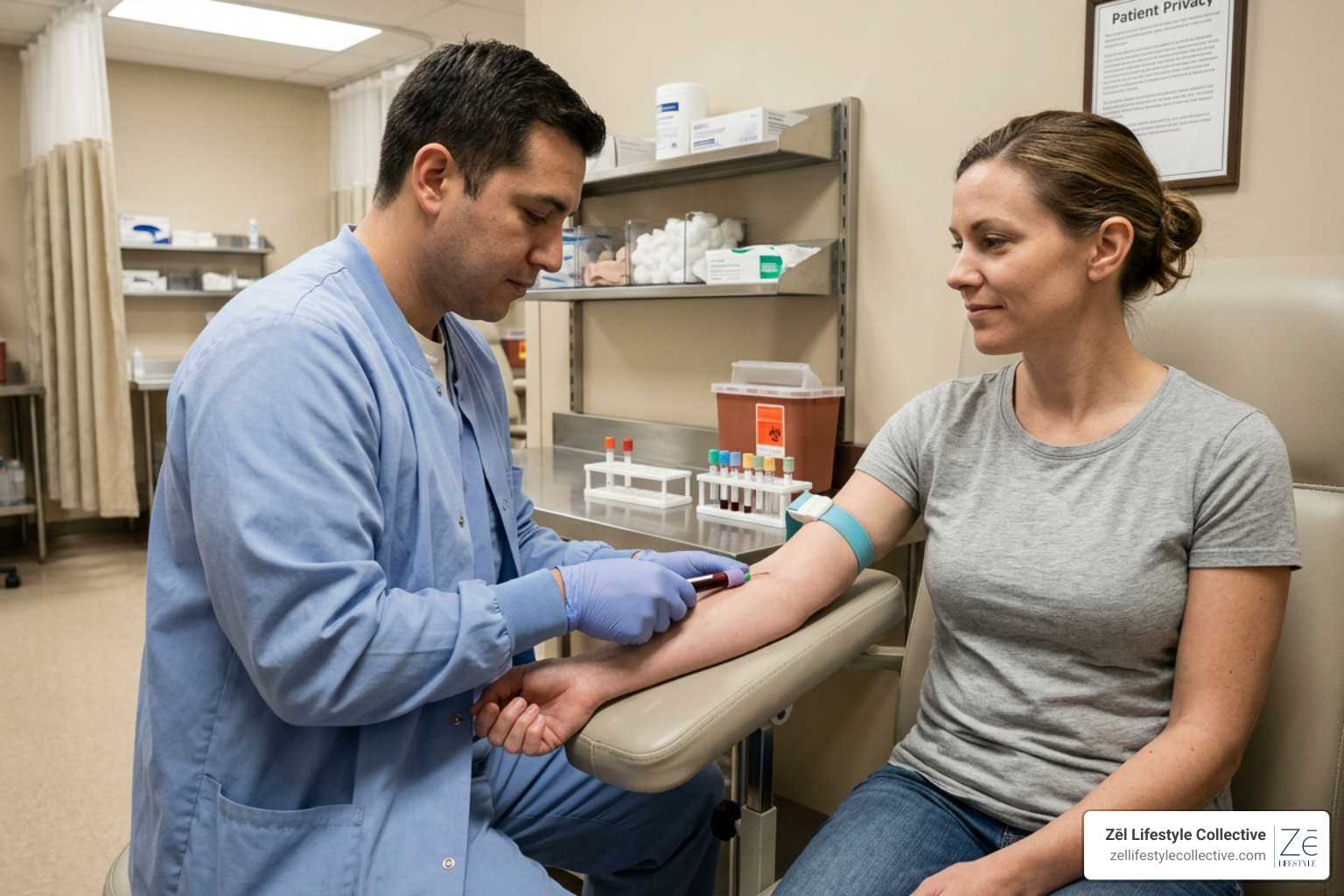
To get accurate, reproducible results from your insulin resistance fasting labs, you must follow strict pre-test protocols. Because insulin is highly sensitive to stress, sleep, and acute dietary changes, standardizing your draw day is essential.
Preparation Step Protocol Why It Matters Fasting Duration 8 to 12 hours (water only) Shorter fasts artificially elevate insulin; longer fasts (>14 hours) can cause a stress response that skews glucose. Biotin Supplements Stop 24–48 hours prior Biotin interferes with the lab assays used to measure insulin, leading to falsely low readings. Exercise Avoid strenuous workouts 24 hours prior Intense exercise acutely improves insulin sensitivity, which can temporarily mask baseline resistance. Sleep Aim for 7–8 hours Even a single night of restricted sleep (4–5 hours) can temporarily decrease insulin sensitivity by up to 25%. Caffeine Skip morning coffee (even black) Caffeine can stimulate cortisol and adrenaline, temporarily raising blood glucose.
If you are experiencing clinical symptoms such as chronic fatigue, brain fog, acanthosis nigricans (darkened skin patches around the neck or armpits), skin tags, or irregular menstrual cycles, these are clear signs that it is time to schedule your Functional Lab Testing.
Preparing for Your Insulin Resistance Fasting Labs
When scheduling your draw, aim for an early morning appointment—ideally before 10:00 AM. Your body's natural circadian rhythm causes cortisol levels to peak in the morning, which naturally influences glucose and insulin. Standardizing the time of day ensures that when we compare your future labs, we are comparing apples to apples.
Always discuss your current medication list with us before your test. Medications like metformin, glucocorticoids (steroids), hormone therapies, or weight loss peptides can significantly alter your fasting insulin and glucose dynamics.
Tracking Trends with Insulin Resistance Fasting Labs
A single lab result is just a snapshot in time; the real magic happens when we track your trends. If you are actively implementing lifestyle changes—such as a lower-glycemic diet, strength training, or targeted nutraceuticals—we typically recommend retesting your fasting insulin, glucose, and lipid panel every 8 to 12 weeks (approx. 3 months).
This window is long enough to see meaningful cellular changes, yet short enough to keep you motivated and allow us to pivot your plan if needed. Once your metabolic markers stabilize into their optimal functional ranges, shifting to an annual or bi-annual testing cadence is usually sufficient to maintain your progress.
If you are looking for a structured, sustainable way to reverse these patterns and lose weight for good, take a look at our Sustainable Weight Loss Plan.
Frequently Asked Questions about Insulin Resistance Testing
Can you have insulin resistance with a normal A1c?
Absolutely. In fact, this is the most common pattern we see in early metabolic dysfunction. Because your pancreas can produce massive amounts of insulin to compensate for tissue resistance, it can successfully keep your average blood sugar (A1c) completely normal for years. Measuring only A1c is like checking the oil in your car by looking at the paint job—it misses the internal strain completely.
Why doesn't my doctor routinely order fasting insulin?
Standard conventional medicine is built on a diagnostic model designed to identify disease states that require medication. Because there is no specific pharmaceutical drug designed solely to lower fasting insulin (most medications target blood glucose directly), conventional guidelines do not recommend routine screening for fasting insulin. At Zēl, we practice preventive, root-cause medicine, which means we want to catch the dysfunction long before it qualifies as a diagnosable disease.
What is a dangerous HOMA-IR level?
A HOMA-IR score above 2.0 indicates established insulin resistance, while a score of 3.0 or higher is considered severe. At these levels, your body is under significant metabolic stress, which dramatically increases your risk for cardiovascular disease, fatty liver, hormonal imbalances, and type 2 diabetes.
Conclusion
Your metabolic health is the foundation of your energy, cognitive function, and long-term vitality. Relying on basic glucose and A1c tests to evaluate your metabolism is like waiting for the engine light to blink before checking your oil. By utilizing advanced insulin resistance fasting labs, we can identify silent metabolic changes early and take action while your health is entirely in your hands.
At Zēl Lifestyle Collective in Tallmadge, Ohio, we specialize in root-cause, integrative medicine. We do not just look at standard reference ranges to tell you you are "fine." We partner with you to find your optimal health using advanced Functional Lab Testing, personalized nutrition, and holistic therapies designed to restore your metabolic flexibility.
If you are ready to stop guessing and start measuring what truly matters, schedule a consultation with our team today. Let's work together to build a vibrant, high-performing future.