
How to Treat PCOS Naturally Without Losing Your Mind
Why So Many Women With PCOS Feel Stuck — and What Actually Works
PCOS functional treatment focuses on finding and fixing the root causes of polycystic ovary syndrome — not just masking symptoms with birth control or metformin.
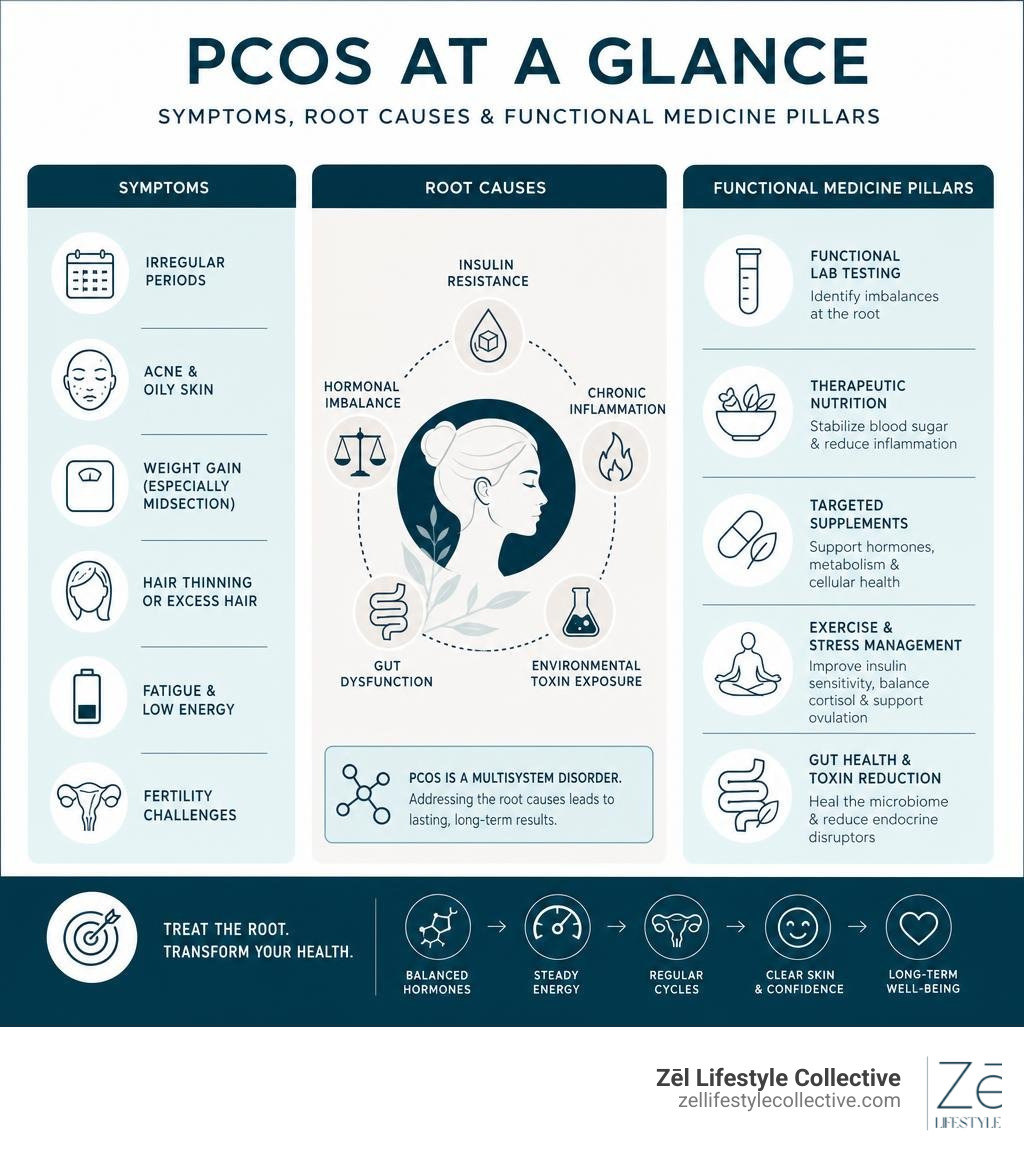
Here's a quick overview of what a functional approach includes:
Pillar What It Addresses Functional lab testing Hormones, insulin, thyroid, gut health Therapeutic diet Blood sugar balance, inflammation reduction Targeted supplements Inositol, berberine, vitamin D, NAC Exercise and stress management Cortisol, insulin sensitivity, ovulation Gut health and toxin reduction Microbiome, endocrine disruptors
PCOS affects between 4 and 20% of women of reproductive age worldwide. In the United States alone, that number is estimated at up to 12%. Yet up to 75% of cases go undiagnosed.
That means millions of women are dealing with irregular periods, stubborn weight gain, acne, fatigue, and fertility struggles — without knowing why.
The frustrating part? Many women do get a diagnosis, but walk away with a prescription for birth control and not much else. That approach doesn't treat the underlying hormonal dysfunction. It just quiets the symptoms temporarily.
PCOS is now understood to be a multisystem disorder — one that involves insulin resistance, chronic inflammation, hormonal imbalance, gut dysfunction, and even environmental toxin exposure. A one-size-fits-all solution simply doesn't match that complexity.
That's exactly where a functional medicine approach changes the game.
I'm Dr. Serif Krkic, chiropractor and functional medicine practitioner at Zēl Lifestyle Collective, and PCOS functional treatment is one of the core areas where I help women get real, lasting results by addressing the hormonal and metabolic root causes conventional care often overlooks. If you've been told your labs are "normal" but still feel anything but, this guide was written for you.
Understanding PCOS (PMOS) and the Limits of Conventional Care
For decades, polycystic ovary syndrome was viewed primarily as a gynecological issue. If you had irregular periods and some cysts on an ultrasound, you were handed a prescription and sent on your way. However, a landmark 2026 Lancet consensus study officially renamed the condition to Polyendocrine Metabolic Ovarian Syndrome (PMOS). This name change reflects a major shift in the medical community's understanding: PCOS/PMOS is not just about ovaries. It is a complex, multisystem endocrine and metabolic disorder.
To be diagnosed under the Rotterdam Consensus, you must meet at least two of these three criteria:
Oligovulation or anovulation (irregular or absent periods).
Hyperandrogenism (elevated "male" hormones like testosterone or DHEA-S, presenting as acne, hair loss, or excess facial and body hair).
Polycystic ovaries on an ultrasound (traditionally defined as 12 or more follicles measuring 2–9 mm, or an ovarian volume greater than 10 mL).
According to the latest 2023 international guidelines, elevated Anti-Müllerian Hormone (AMH) levels can now be used as a stand-in biomarker for polycystic ovaries in adults, reducing the need for pelvic ultrasounds.
The health risks associated with leaving this condition untreated go far beyond cosmetic concerns or reproductive difficulties. Women with PCOS show three times greater odds of having metabolic syndrome compared to controls. This brings a significantly elevated risk for type 2 diabetes, cardiovascular disease, hypertension, and non-alcoholic fatty liver disease. In fact, more than half of women with PCOS develop type 2 diabetes before the age of 40.
Furthermore, the chronic, low-grade systemic inflammation and hormonal swings associated with the condition contribute to a much higher incidence of depression, anxiety, and chronic fatigue is not normal. The annual economic burden of PCOS is estimated at approximately $8 billion in the United States alone, highlighting the massive scope of this metabolic crisis. For a deeper scientific dive, you can read the Polycystic Ovary Syndrome (PCOS) clinical review or review the literature on the NIH database via this Checking your browser - reCAPTCHA portal.
Why Standard Care Fails and the Need for a PCOS Functional Treatment
The standard conventional toolkit for PCOS is remarkably limited: oral contraceptive pills to force a "bleed," metformin for insulin resistance, and spironolactone to block excess androgens. While these drugs can be helpful band-aids for some, they do not resolve the root causes.
In fact, oral contraceptives carry significant downsides:
They do not regulate your hormones; they shut down your natural ovarian production and replace it with synthetic steroids, creating a withdrawal bleed that is not a true menstrual cycle.
They can mask underlying issues for years, which then rebound aggressively once you stop taking them to conceive.
They deplete essential nutrients, including B vitamins, magnesium, zinc, and selenium.
They can negatively impact gut health, liver function, and thyroid performance.
Metformin, while an effective insulin sensitizer, often causes disruptive gastrointestinal side effects and can lead to a vitamin B12 deficiency over time. Furthermore, long-term use of ovulation-induction medications like clomiphene citrate is generally limited to six cycles due to potential long-term safety concerns.
A PCOS functional treatment takes a completely different path. Instead of shutting down your endocrine system, we want to understand why it is misfiring. This requires looking at the interconnected web of your health. To learn more about how we view hormone systems as a whole, explore The Truth About Hormone Optimization.
To find the true drivers of your symptoms, we utilize advanced Functional Lab Testing. Rather than just running a basic thyroid-stimulating hormone (TSH) test or a single total testosterone panel, we look at the complete picture. This includes checking free and total testosterone, DHEA-S, sex hormone-binding globulin (SHBG), fasting insulin, HbA1c, a full thyroid panel, and markers of systemic inflammation.
The Core Pillars of PCOS Functional Treatment

At Zēl Lifestyle Collective in Tallmadge, Ohio, we believe that the foundation of any successful PCOS functional treatment begins with lifestyle modifications. We don't believe in quick-fix crash diets that leave you exhausted and hungry. Instead, we focus on sustainable, therapeutic nutrition designed to stabilize your blood sugar and lower systemic inflammation.
Insulin resistance is present in up to 85% of women with PCOS (and up to 95% of those who are overweight). When your cells are numb to insulin, your pancreas pumps out more of it. High levels of insulin signal your ovaries to produce excess testosterone, while simultaneously lowering SHBG (the protein that binds up free testosterone in your blood). This creates a vicious cycle of weight gain, cravings, and hormonal chaos.
To break this cycle, we prioritize a low-carbohydrate, low-glycemic, high-fiber dietary pattern. This approach focuses on:
High-quality protein: Sourcing clean protein (like wild-caught fish, grass-fed meats, and eggs) to stabilize blood sugar and preserve lean muscle mass.
Healthy fats: Incorporating avocado, olive oil, nuts, and seeds to support hormone synthesis.
Fiber-rich carbohydrates: Utilizing non-starchy vegetables and cruciferous greens to feed beneficial gut bacteria and assist the liver in clearing excess hormones.
Meal timing is another powerful lever. Research shows that consuming a high-calorie breakfast and a smaller, lighter dinner can significantly improve insulin sensitivity, lower free androgen levels, and support regular ovulation in women with PCOS. If you need help navigating these changes, our Integrative Nutrition Health Coaching provides the personalized support you need to build a sustainable, health-promoting relationship with food. Additionally, for those struggling with stubborn weight gain, we design a customized Sustainable Weight Loss Plan that works with your metabolism, not against it.
Tailoring Your PCOS Functional Treatment to Your Phenotype
PCOS is not a monolithic condition. There are several distinct clinical phenotypes, and your treatment must reflect your unique presentation:
Insulin-Resistant PCOS: The most common type, driven by high insulin, weight gain around the midsection, sugar cravings, and fatigue.
Adrenal PCOS: Driven primarily by stress, where DHEA-S is highly elevated but fasting insulin and LH are often normal.
Inflammatory PCOS: Driven by chronic low-grade inflammation, often presenting with joint pain, food sensitivities, skin issues, and unexplained fatigue.
Post-Pill PCOS: A temporary rebound of high androgens and suppressed ovulation that occurs after discontinuing oral contraceptives.
To determine your specific phenotype, we often recommend DUTCH (Dried Urine Test for Comprehensive Hormones) Cycle Mapping. This test tracks estrogen and progesterone metabolites across an entire menstrual cycle, giving us a detailed look at whether you are ovulating and how your body metabolizes androgens. We also look closely at your LH/FSH ratio; while healthy cycling women usually have a ratio of 1:1, women with PCOS often have a reversed ratio of 2:1 or even 3:1, which halts follicle development.
Additionally, we evaluate for thyroid and autoimmune comorbidities. Women with PCOS are three times more likely to develop Hashimoto's thyroiditis than those without it. If your immune system is distracted by thyroid antibodies, it worsens metabolic dysfunction and systemic inflammation. We help Ohio patients identify these hidden connections through our comprehensive programs for Hormone Balancing Ohio, working under the clinical philosophy that Autoimmune Symptoms Are Not Random.
Exercise, Stress Management, and Acupuncture for Hormonal Balance
When it comes to exercise and PCOS, more is not always better. High-intensity, exhaustive cardio workouts can spike cortisol, which further drives insulin resistance and disrupts the delicate hypothalamic-pituitary-adrenal (HPA) axis.
Instead, we recommend a balanced approach to physical activity:
Strength training: Lifting weights or performing resistance exercises 2 to 3 times per week builds metabolically active skeletal muscle, which acts as a sink for excess glucose and naturally improves insulin sensitivity.
Zone 2 cardio & walking: Gentle, steady-state movement lowers stress hormones while supporting cardiovascular health.
Mind-body practices: Yoga, Pilates, and breathwork are highly effective for reducing sympathetic nervous system tone.
Managing stress is non-negotiable. Chronic stress elevates cortisol, which directly triggers the liver to release stored glucose, raising insulin and fueling androgen production. Through our Stress Management Coaching, we help you implement evidence-based tools like heart rate variability (HRV) training, meditation, and structured sleep hygiene protocols.
At Zēl Lifestyle Collective, we also utilize acupuncture as a core therapeutic tool. A 2020 meta-analysis of 10 randomized controlled trials showed that acupuncture interventions in women with PCOS led to significant decreases in BMI and waist-to-hip ratio, alongside improvements in fasting plasma glucose, insulin sensitivity, and triglycerides. Acupuncture works by reducing sympathetic nervous system activity, improving blood flow to the ovaries, and regulating endocrine pathways. For patients looking to optimize their body composition, we offer specialized guidance through our Acupuncture Weight Loss Guide 2026 and hands-on care at our clinic for Acupuncture Weight Loss Ohio. To explore how lifestyle changes and natural therapies work together, you can read the Research on lifestyle modification and herbal remedies for PCOS.
Targeted Nutraceuticals and Herbal Remedies for Hormonal Harmony
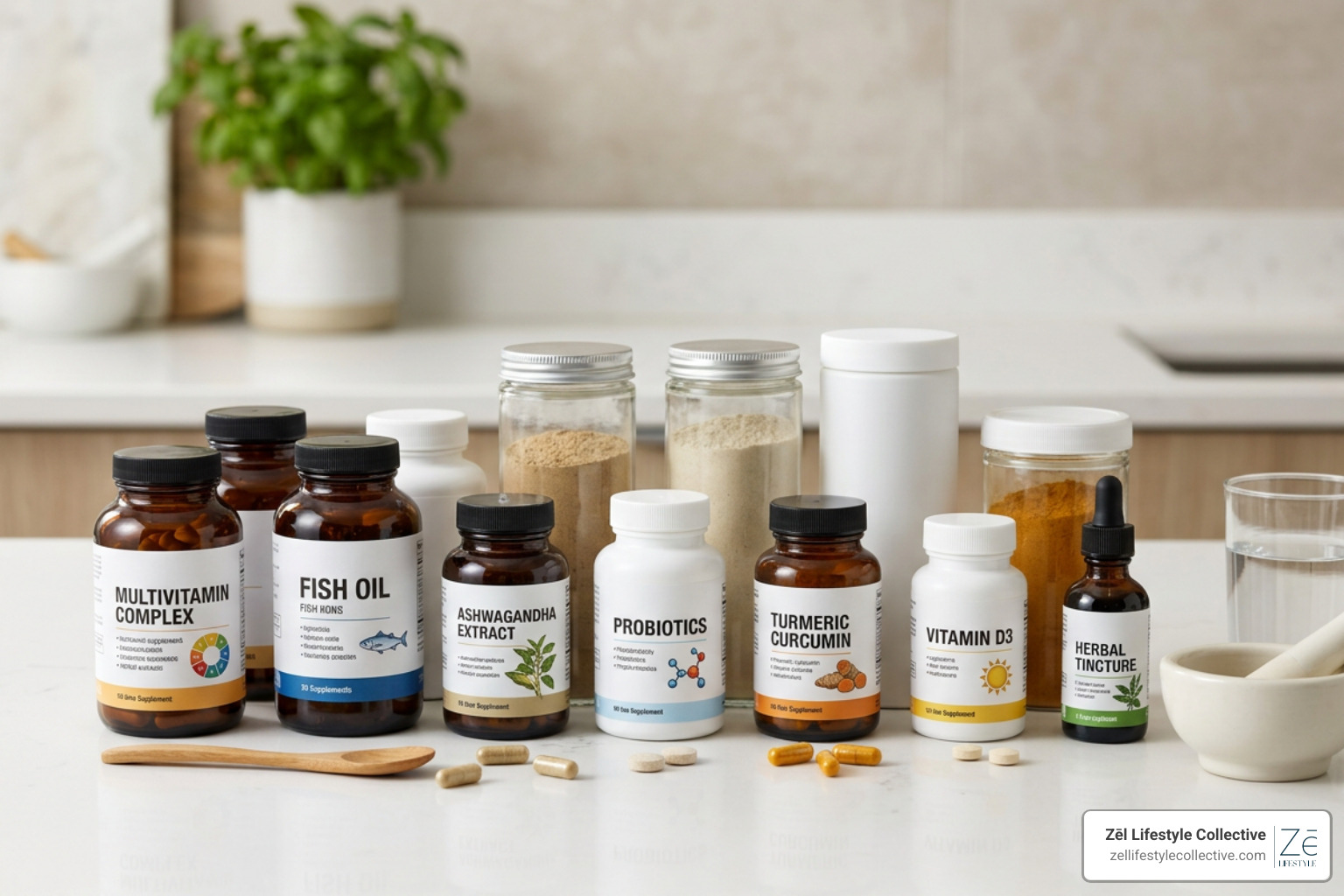
A key component of a PCOS functional treatment is the strategic use of high-quality, clinical-grade Nutraceuticals and Supplements. Rather than guessing, we use your lab results to build a highly targeted protocol.
Some of the most thoroughly researched bioactives for PCOS include:
Inositol (Myo-Inositol and D-Chiro-Inositol): Inositol acts as an intracellular second messenger involved in insulin signaling and FSH receptor pathways. In a healthy ovary, the ratio of Myo-inositol (MI) to D-chiro-inositol (DCI) is roughly 100:1, but in women with PCOS, this ratio can drop as low as 0.2:1. Supplementing with a clinically validated 40:1 ratio (typically 4,000 mg of MI to 100 mg of DCI daily) has been shown to restore ovulation, improve egg quality, reduce anxiety, and lower insulin resistance.
Berberine: A natural alkaloid that acts as a powerful AMPK activator. Berberine works on the cellular level similarly to metformin, helping to clear glucose from the bloodstream, reduce ovarian androgen production, and support a healthy gut microbiome.
N-Acetylcysteine (NAC): A precursor to glutathione, the body's master antioxidant. NAC helps combat the cellular oxidative stress that drives insulin resistance, and clinical trials show it can improve ovulation and pregnancy rates in women with PCOS.
Chromium Picolinate: An essential trace mineral that enhances the action of insulin. Meta-analyses show that chromium supplementation (typically 200–1,000 mcg daily) helps lower fasting insulin and free testosterone levels.
Vitamin D3 & Vitamin K2: Up to 85% of women with PCOS are deficient in Vitamin D. Vitamin D is crucial for follicular development and insulin receptor expression. Combining it with Vitamin K2 (specifically MK-7) helps direct calcium to the bones and has been shown to improve insulin sensitivity and reduce DHEA-S.
For an extensive scientific breakdown of these mechanisms, refer to the Research on nutrients and bioactive compounds in PCOS.
Traditional Chinese Medicine and Botanical Support
In addition to standard vitamins and minerals, botanical medicine offers profound benefits for modulating the endocrine system without the harsh side effects of pharmaceuticals.
Licorice Root (Glycyrrhiza glabra) & White Peony (Paeonia lactiflora): This classic herbal pairing is highly effective for down-regulating excess androgens. White peony contains paeoniflorin, which inhibits testosterone production in the ovaries, while licorice contains glycyrrhizin, which blocks the enzyme that converts weaker androgens into stronger ones. (Note: Licorice can raise blood pressure in some individuals, so it should always be used under professional supervision).
Spearmint Tea: Drinking organic spearmint tea twice daily has been clinically shown in randomized controlled trials to significantly reduce free and total testosterone levels, helping to alleviate hirsutism (excess facial and body hair).
Curcumin: The active compound in turmeric is a potent anti-inflammatory agent. Clinical trials have demonstrated that curcumin can significantly reduce fasting plasma glucose, lower DHEA levels, and improve lipid profiles in women with PCOS.
To learn more about the scientific mechanisms of these traditional therapies, explore the Research on traditional Chinese medicine for PCOS insulin resistance.
Restoring the Gut Microbiome and Reducing Environmental Toxins
There is a powerful, bidirectional relationship between your gut health and your hormones. Gut microbiota dysbiosis (an imbalance of beneficial versus harmful bacteria) is a major driver of insulin resistance and chronic inflammation in PCOS.
When the gut microbiome is compromised, the integrity of the gut barrier degrades. This allows lipopolysaccharides (LPS) — inflammatory endotoxins found in the cell walls of gram-negative bacteria — to leak into the bloodstream. This condition, known as metabolic endotoxemia, triggers systemic inflammation, damages insulin receptors, and directly impairs ovarian function.
Furthermore, a healthy gut microbiome produces short-chain fatty acids (SCFAs) like butyrate, which are essential for maintaining gut-barrier integrity, regulating glucose metabolism, and keeping inflammation in check. Women with PCOS consistently demonstrate lower levels of SCFA-producing bacteria.
To address this, we often utilize a Comprehensive Stool Analysis to map the gut microbiome, evaluate digestive capacity, and identify any hidden pathogens or yeast overgrowths. For a deeper look at how traditional therapies and gut health intersect, read the Research on traditional Chinese medicine modulating gut microbiota in PCOS.
In addition to the gut, we must address the external environment. We live in a world saturated with endocrine-disrupting chemicals (EDCs) like Bisphenol A (BPA), phthalates, parabens, and PFAS. These compounds act as "hormone mimics," binding to estrogen and androgen receptors and disrupting normal endocrine signaling.
Because women with PCOS already have compromised detoxification pathways, exposure to these toxins can severely worsen insulin resistance and hormonal imbalances. We help our patients identify these hidden environmental triggers, guide them on how to transition to non-toxic personal care and household products, and address deeper environmental burdens as outlined in our guide on The Silent Impact of Mold and Toxins.
Frequently Asked Questions about PCOS
What is the difference between PCOS and PMOS?
In a 2026 Lancet consensus study, medical experts officially proposed renaming Polycystic Ovary Syndrome (PCOS) to Polyendocrine Metabolic Ovarian Syndrome (PMOS). This update was made to correct a long-standing misunderstanding: the condition is not primarily an ovarian disease, and you do not need to have "cysts" on your ovaries to have it. The new name, PMOS, accurately reflects that it is a complex, multisystem endocrine and metabolic disorder that impacts blood sugar regulation, cardiovascular health, mental health, and systemic inflammation.
Can acupuncture help with PCOS weight loss and ovulation?
Yes. Clinical studies show that acupuncture can be highly beneficial for women with PCOS. It works by down-regulating elevated sympathetic nervous system activity (which is often high in women with metabolic dysfunction), improving insulin sensitivity, and promoting blood flow to the pelvic organs. By lowering stress hormones and balancing the LH/FSH ratio, acupuncture supports natural ovulation induction and can assist in overall weight management when combined with a therapeutic diet and regular exercise.
How long does it take to see results from a natural PCOS protocol?
Because red blood cells turn over every 120 days and follicles take roughly 100 days to mature, you should expect to commit to a natural protocol for at least 3 to 6 months before retesting labs and evaluating your progress. While some symptoms like energy levels, sleep quality, and brain fog can improve within the first few weeks, reversing deep-seated insulin resistance, regulating menstrual cycles, and clearing hormonal acne require consistent, long-term lifestyle and nutraceutical support.
Conclusion
Managing PCOS doesn't have to mean choosing between synthetic birth control pills that mask your symptoms or living in a state of constant frustration. By embracing a personalized, multimodal functional medicine approach, you can identify your unique clinical phenotype, restore gut-barrier integrity, stabilize your insulin levels, and bring your hormones back into a state of natural harmony.
At Zēl Lifestyle Collective in Tallmadge, Ohio, we are dedicated to helping you move past quick-fix band-aids and find true, root-cause resolution. We walk alongside you every step of the way with comprehensive testing, targeted botanical support, acupuncture, and compassionate, expert guidance.
If you are ready to take control of your hormonal health and reclaim your vitality, Explore our personalized integrative health services and schedule your consultation with us today.